|


HGP CI13S-B02-183R
CISSOKO
| Quantity: | |
|---|---|
The CISSOKO 1.83 CID cast iron pump is engineered for reliable performance in demanding agricultural and material handling applications. Featuring a robust 13-tooth spline shaft, CW rotation, a high-pressure rating of 3300 PSI, and a standard SAE-B mounting flange, this pump delivers the power and durability needed to keep your equipment running.
Features and Benefits
Built to Last: Precision-machined cast iron construction ensures longevity and resistance to wear in tough environments.
High-Pressure Performance: Handles up to 3300 PSI for powerful, consistent hydraulic operation.
Easy Direct Replacement: Features a standard 13-tooth spline shaft and an SAE-B 2-bolt mounting flange for a straightforward swap with no modifications needed.
Precise Rotation: Designed for systems requiring Clockwise (CW / Right-Hand) rotation.
Optimal Flow: 1.83 cubic inch displacement (15.84 GPM @ 2000 RPM) provides the right flow for a variety of mid-duty applications.
CID | 1.83 | Rotation | CW |
Flow | 15.84 GPM @ 2000 RPM | MAX RPM | 3000 |
Inlet Port | SAE 16 | Pressure | 3300 PSI |
Outlet Port | SAE 12 | Shaft Type | 13-tooth spline |
Flange | SAE B - 2 bolts | Brand | CISSOKO Hydraulics |
Weight | 12 LBs | GTIN | 850028143612 |
Applications
Ideal for: Agricultural Tractors, Compact Construction Equipment, Mobile Utility Lifts, Commercial Turf Mowers, Skid Steer Auxiliary Systems, and Industrial Hydraulic Power Units requiring a reliable, clockwise rotating flow delivery system with a standard 13-tooth spline configuration.

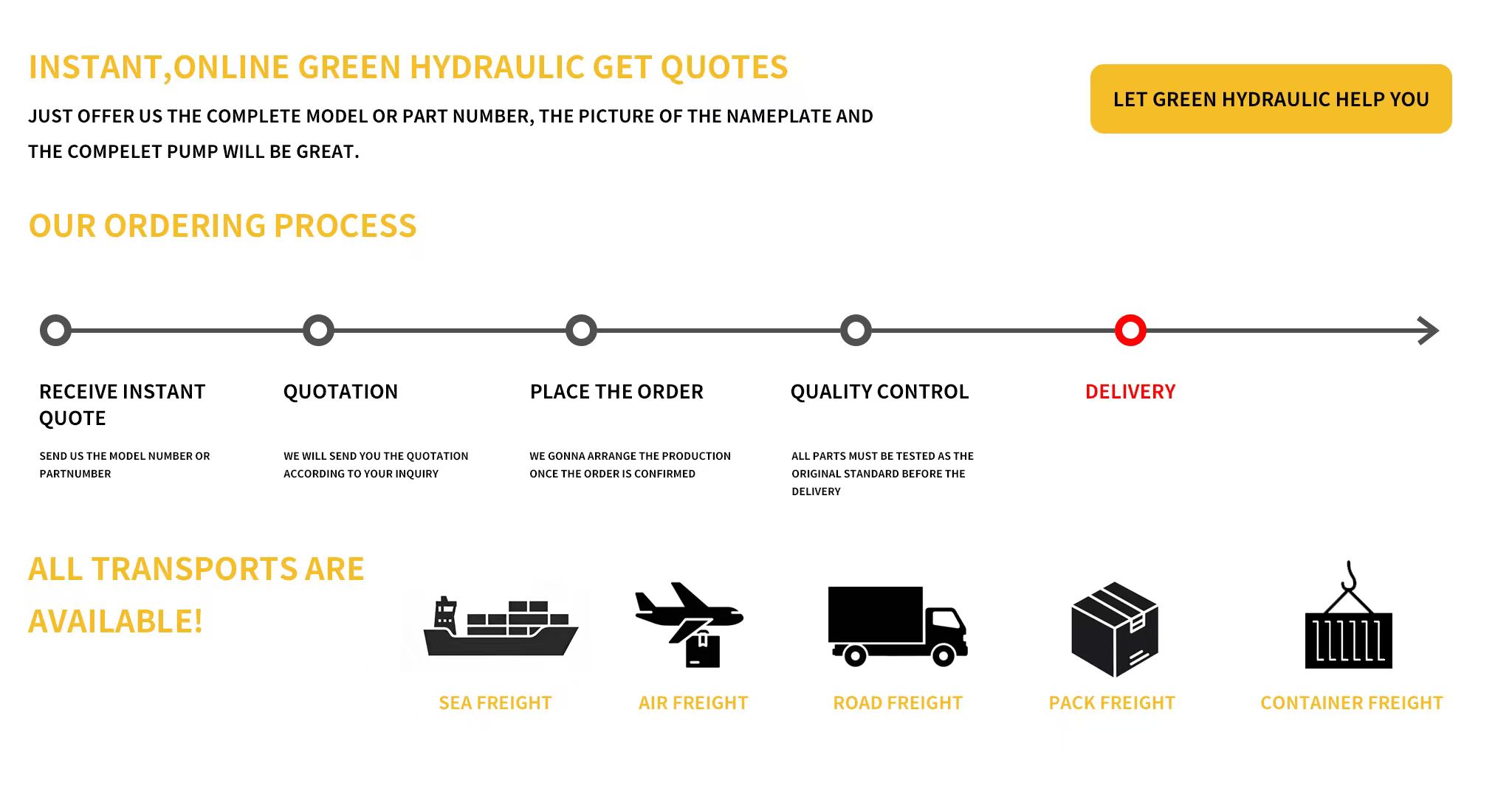
Hydraulic gear pump products are typically packaged securely to prevent damage during transit. The packaging includes:
Protective Wrapping: To safeguard the pump from environmental damage and moisture.
Custom Crates / Heavy-Duty Cartons: For larger, heavier pumps or multi-stage units, ensuring safe handling.
Documentation: Includes installation guides, maintenance instructions, and warranty details. Delivery time depends on the model, customizations, and location but typically ranges from 2 to 6 weeks from the order date.
1. What does the "1.83 CID" rating mean for my hydraulic system's performance?
The "1.83 CID" specification stands for Cubic Inch Displacement, which represents the precise volume of hydraulic oil the pump pushes out during one single full revolution of its shaft. To calculate your actual output flow in Gallons Per Minute (GPM), you multiply this displacement by your engine's operational RPM and divide by 231; for example, at 2,000 RPM, this specific pump will deliver roughly 15.8 GPM to your system's valves and cylinders.
2. Why is verifying the Clockwise (CW) rotation crucial before installation?
Hydraulic gear pumps are built with internal port configurations, wear plates, and pressure balances designed to rotate in only one direction. This pump is engineered strictly for clockwise rotation when looking directly at the face of the drive shaft; installing it on an engine or power take-off (PTO) that spins counter-clockwise will cause the suction and pressure ports to reverse, instantly blowing out the front shaft seal and causing catastrophic internal failure.
3. What type of equipment or machinery utilizes a 13-tooth spline shaft setup?
A 13-tooth spline shaft configuration is a highly standardized mechanical interface commonly used in mobile hydraulic applications, compact construction machinery, and agricultural tractors. This splined design provides a high-strength, positive mechanical engagement with the engine's drive gear or coupling, spreading torsional load evenly across all thirteen teeth to prevent slippage, shearing, or premature wear under high working pressures.
4. Why must I perform a comprehensive system flush and oil filter change when replacing an old pump?
When a hydraulic gear pump degrades or suffers a breakdown, it naturally sheds minute metal shavings, metallic flakes, and debris directly into the oil stream, which then settle inside the reservoir and lines. If you bolt on your new 1.83 CID pump without completely flushing the tank, cleaning the suction screen, and installing fresh filters, that residual contamination will immediately be drawn into the new gears, scoring the tolerances and destroying the pump within its first few hours of operation.
5. What causes hydraulic oil to start leaking from around the front drive shaft seal on a newly installed pump?
The most frequent cause of a blown or leaking front shaft seal on a newly mounted gear pump is excessive pressure building up inside the pump’s internal suction or seal cavity. This is typically triggered by a restricted intake line, a clogged return-line filter, or an incorrectly adjusted main system relief valve; alternatively, a severe mechanical misalignment between the 13-tooth spline shaft and the engine's drive coupler can exert an uneven side-load that prematurely wears out the seal lip.
Yes, we support OEM and customization, including nameplate, packaging, and specific performance requirements. Send us your drawings or specifications for evaluation.
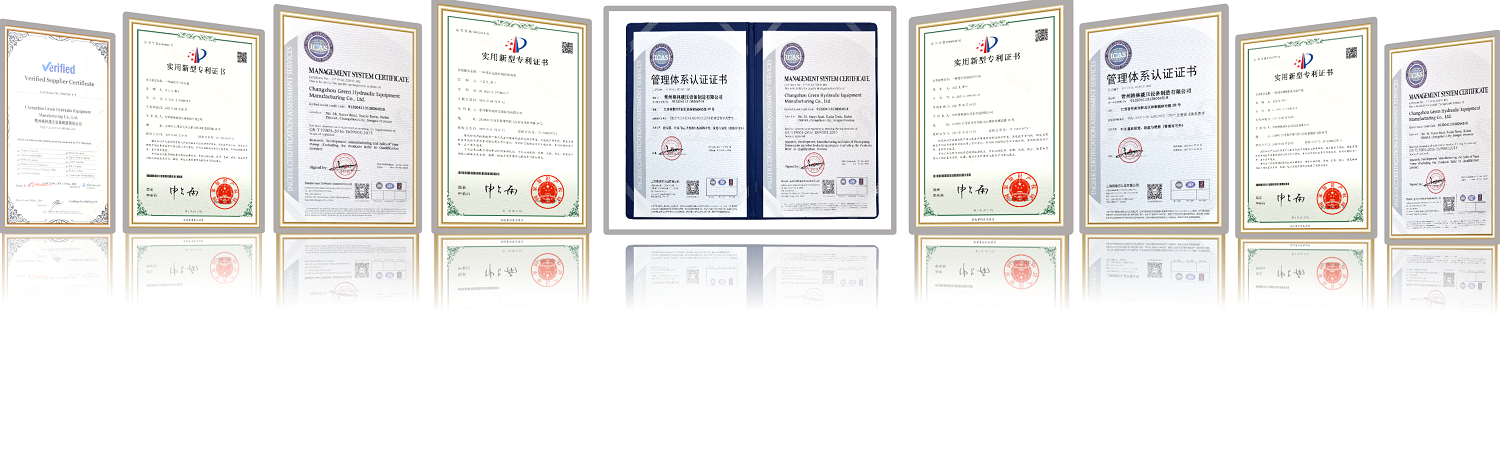
Pumps are manufactured in compliance with international standards, ensuring high performance and reliability:
ISO 9001: Certified for quality management systems.
CE Certification: Ensures compliance with European safety, health, and environmental protection standards.
RoHS Compliance: Ensures the component does not contain hazardous materials.
Factory Testing: Every pump is rigorously tested for performance, pressure, and leak integrity before shipping.
1.What's our advantages?
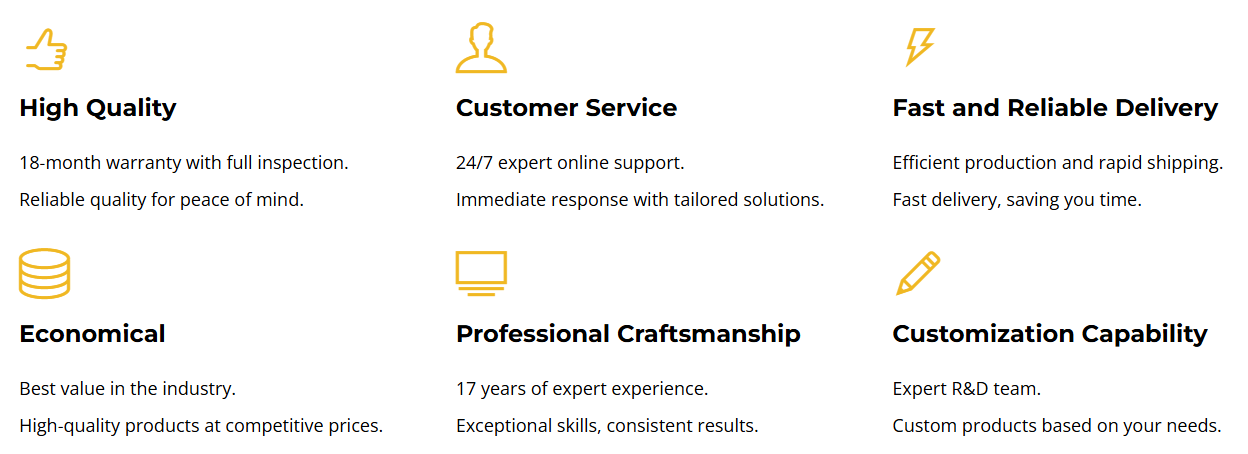
Factory established in 2005;
With a great deal of production experience;
80+ employees become the professional team;
Constant updated ERP system ensure efficiency of work;
Sophisticated equipment ehanced the accuracy of products;
Professional salesmen provide the greatest service;
With a large number of famous customers all over the world;
Great after-sales service;
With the long term cooperation with famous logistics and express company in China,provide the better goods service.
Small order/sample order,full payment in advance; Big orders send the first payment 30% before the production,and the balance before shipment.We'll show the photos of the products and packages before delivery.
Of course we can. Just send me your logo we can make it for you.
America(40.5%):USA, Canada, Argentina, Brazil
Europe(30.8%):Italy,Germany,England,Holland,Spain,Swiss,Finland,Russia,Poland.
Asia(23.5%):Korea,singapore,India,Turkey,Vietnam,Saudi Arabia,Syria, Israel,Lebanon.
Others(5.8%).
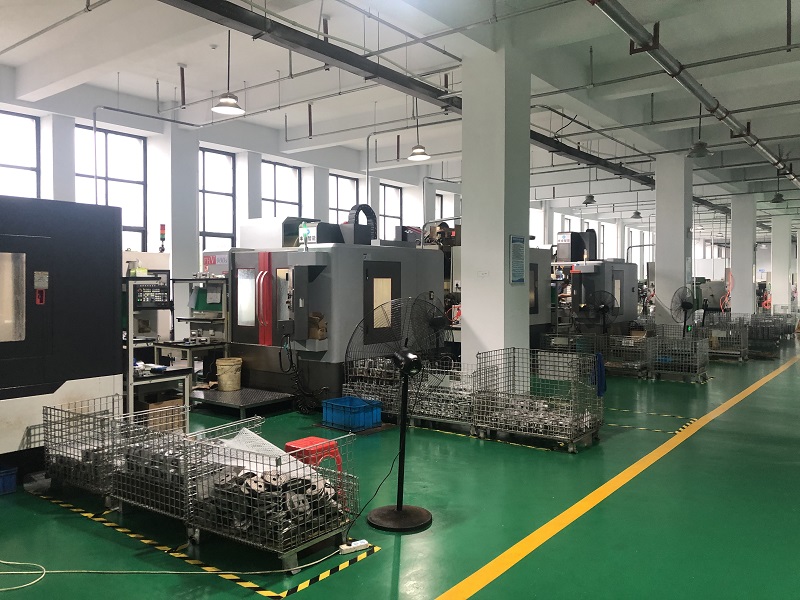
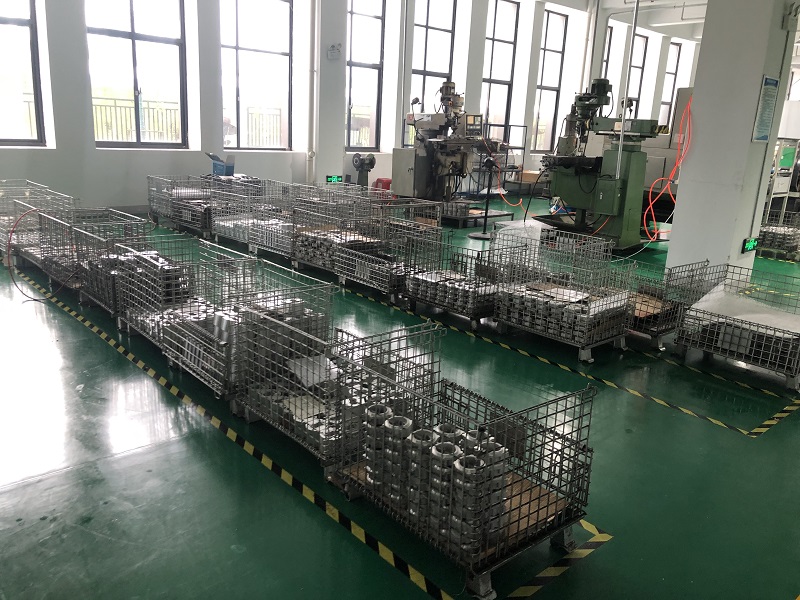
The Cissoko hydraulic pump manufacturing facility is a specialized industrial plant that focuses on producing hydraulic pumps and related components. These factories are equipped with advanced machinery and technology to fabricate high-quality pumps designed for a wide range of applications, from heavy equipment and machinery to automotive and industrial systems.
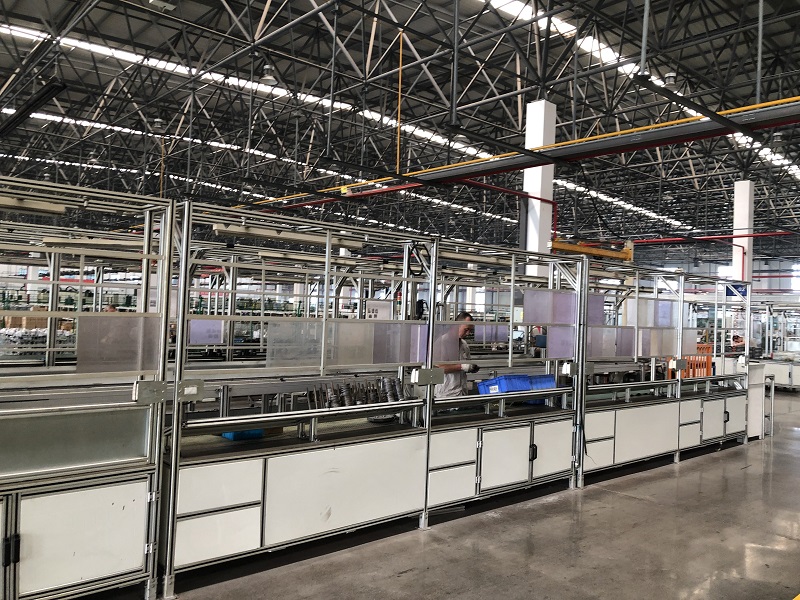
The production process typically involves precision engineering, where raw materials like metals and alloys are processed into pump components such as gears, pistons, cylinders, and seals. These parts are then assembled into fully functional hydraulic pumps, which are tested for performance and quality control to ensure reliability, efficiency, and durability under various working conditions.
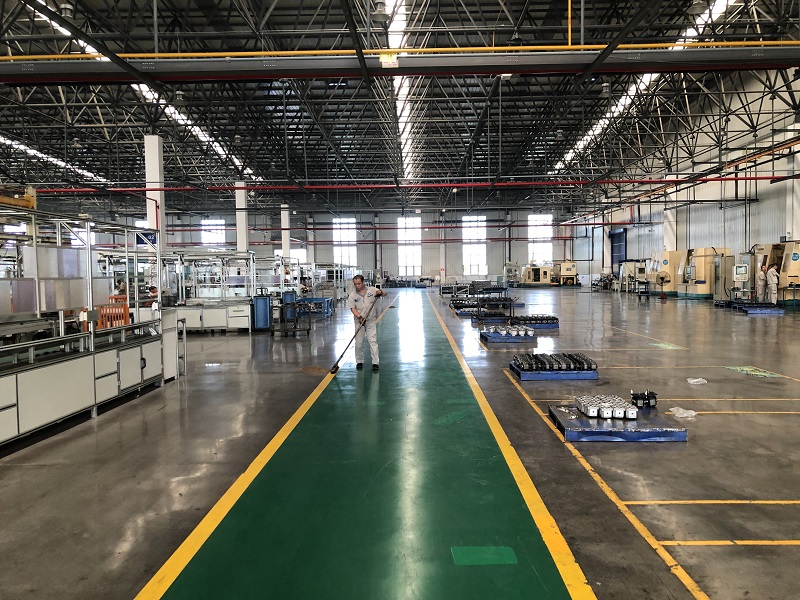
Cissoko Hydraulic's manufacturing facilities for hydraulic pumps maintain stringent quality standards, often adhering to international certifications, to meet the expectations of customers in industries such as construction, agriculture, automotive, and manufacturing.
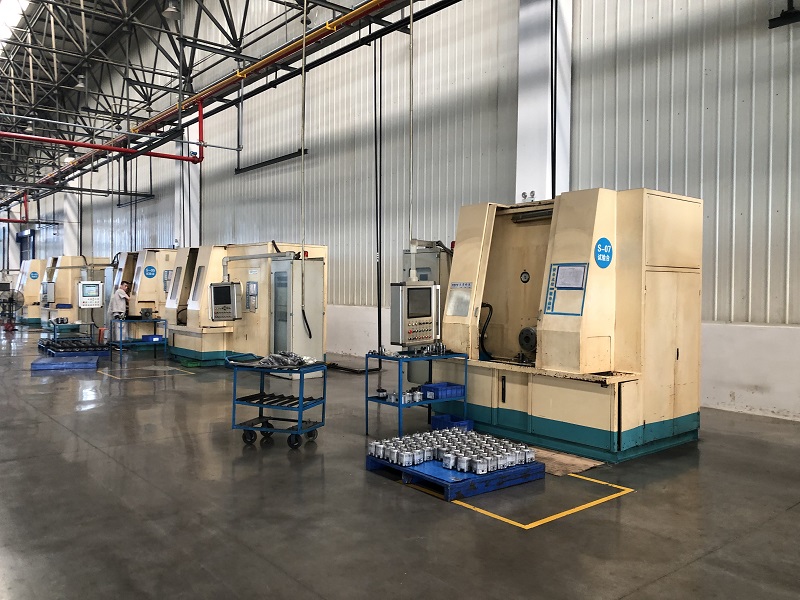
All hydraulic pumps produced by Cissoko Hydraulic have undergone compliance testing, ensuring their quality and reliability.
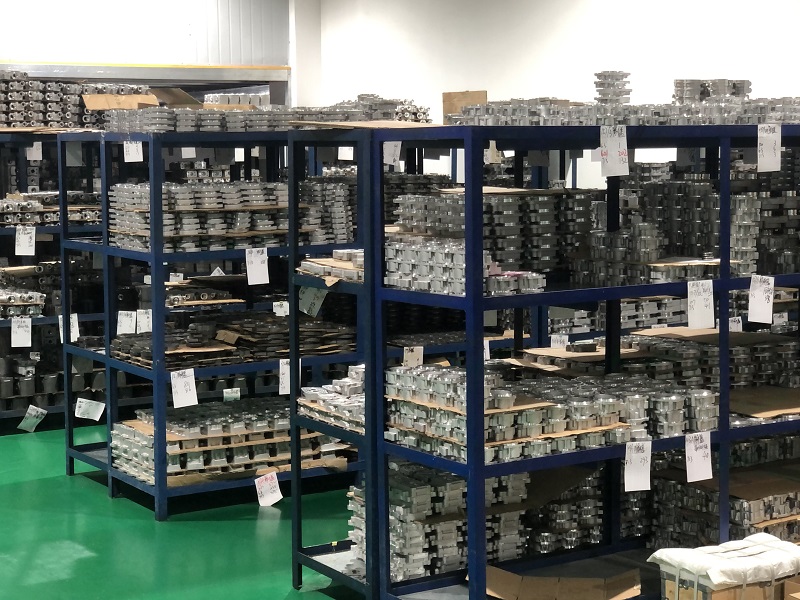
To meet the diverse needs of different industries, the Cissoko hydraulic offers customization options, such as specialized seals, materials, and pump configurations. These facilities often work closely with engineering teams to develop tailored solutions for specific applications, from high-pressure systems to low-flow, high-efficiency pumps.
Each pump undergoes a rigorous quality control process, where pressure tests and performance assessments are conducted to ensure that the pumps meet the required standards for flow rate, pressure capacity, and durability.