|


HV-DV-3W-2P-08S
CISSOKO
| Quantity: | |
|---|---|
3 Way Hydraulic Rotary Diverter Valve, SAE 8. It is used to divert the flow towards two different outlets.
Features and Benefits
Multi-Directional Flow Routing: Versatile 3-way configuration allows for seamless fluid diversion or circuit selection, enabling a single pressure source to control two independent hydraulic lines.
Rugged Cast Iron Body: Built with a high-strength cast iron housing designed to withstand harsh operating environments and continuous high-pressure industrial cycles.
Hardened Internal Components: Utilizes hardened and ground steel internal parts to deliver exceptional mechanical wear resistance and a significantly extended service life under heavy workloads.
Leak-Resistant Sealing Integrity: Equipped with premium BUNA-N standard seals and precision-machined tolerances that ensure optimal pressure retention and minimal internal fluid leakage.
Secure Threaded Connections: Features standard SAE 8 straight-thread O-ring boss ports, providing a highly reliable, leak-free mechanical seal that eliminates external fluid
Flow | 16 GPM | Max Pressure | 4300 PSI |
Working Ports | SAE 8 | Brand | Hydro-Pack |
Weight | 2 LBs | GTIN | 850054386601 |
Applications
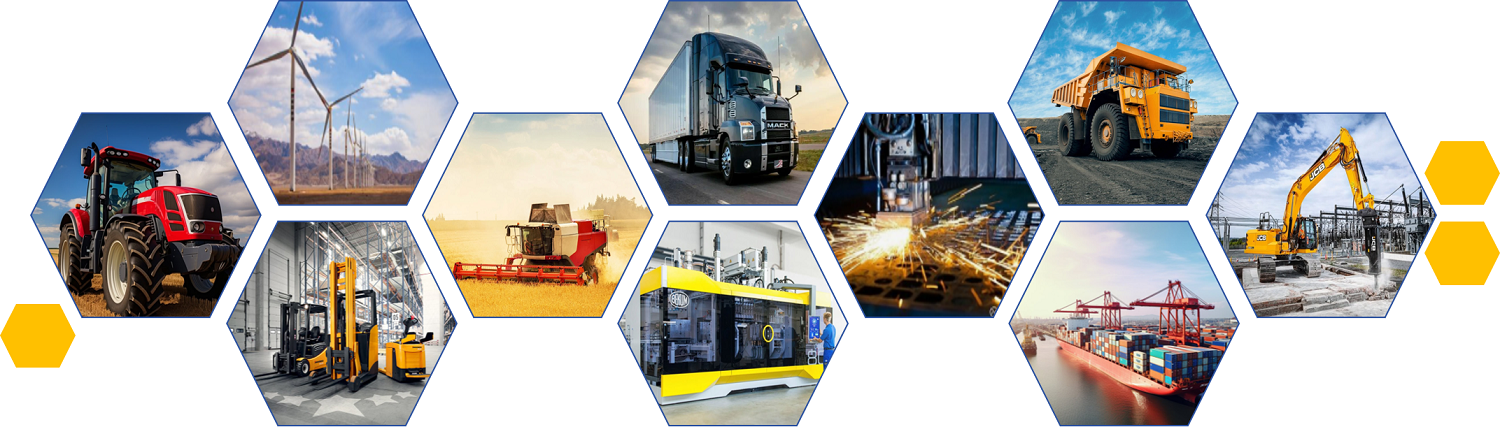
Ideal for: Tractor Attachments, Agricultural Machinery, Skid Steer Tool Switching, Forklifts, and Multi-Branch Hydraulic Circuits requiring reliable manual flow diversion between two independent lines.
Valve products are typically packaged securely to prevent damage during transit. The packaging includes:
Protective Wrapping: To safeguard the valve from environmental damage and moisture.
Custom Crates / Heavy-Duty Cartons: For larger, heavier valves or multi-spool units, ensuring safe handling.
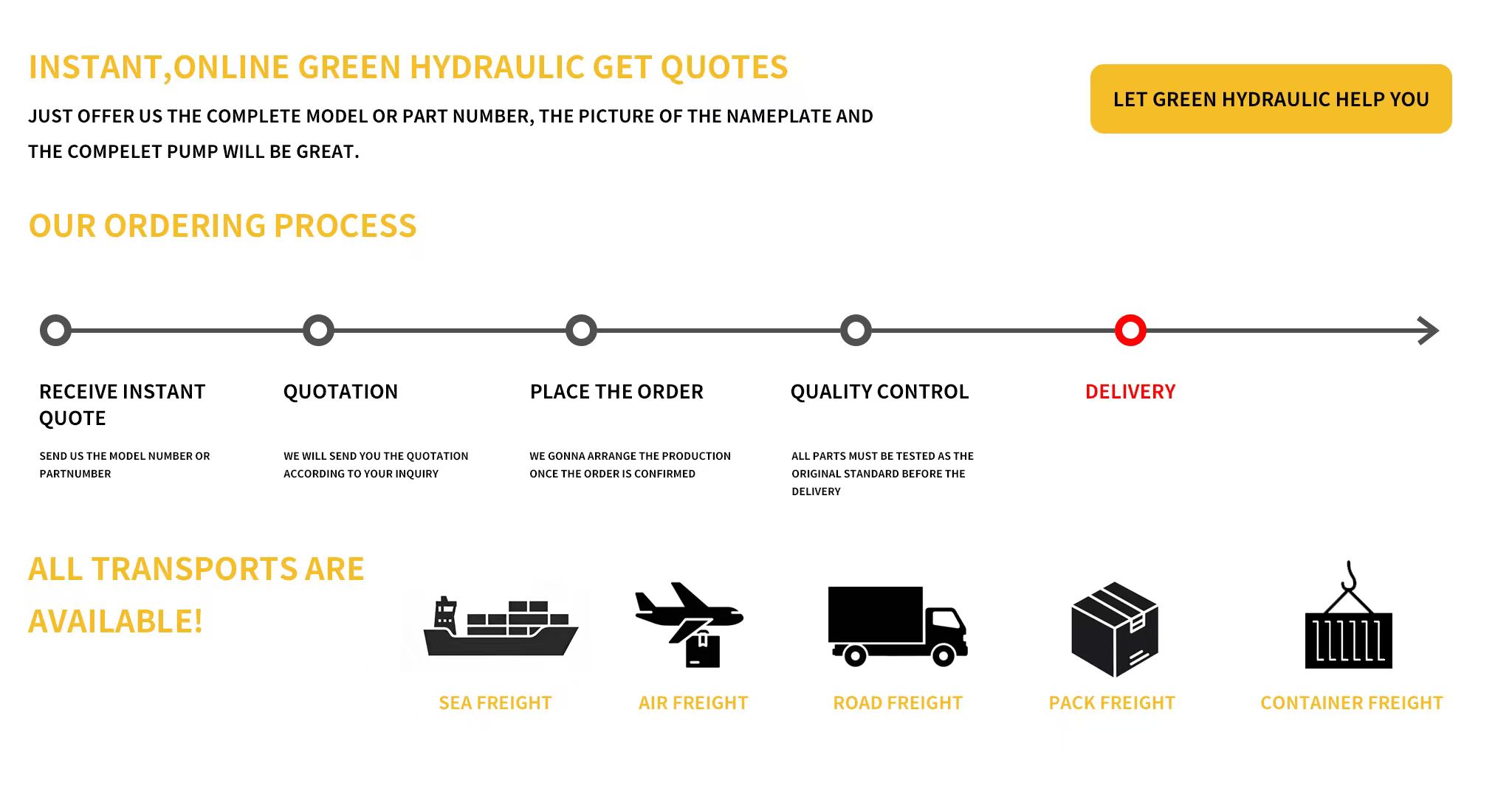
Documentation: Includes installation guides, maintenance instructions, and warranty details. Delivery time depends on the model, customizations, and location but typically ranges from 2 to 6 weeks from the order date.
1. What is the main function of a 3-way rotary diverter valve in a hydraulic system?
A 3-way rotary diverter valve is a manual directional control valve used to switch a single hydraulic fluid stream between two separate circuits. By rotating the manual handle, fluid entering the common pressure inlet port is diverted to either Port A or Port B, allowing a single hydraulic pump or control valve spool to operate two independent hydraulic components or attachments alternately.
2. What do the "SAE 8" port specifications indicate about the connections?
The "SAE 8" specification indicates that the valve body is equipped with 3/4-16 UNF straight threads featuring an O-ring boss (ORB) seating configuration. Unlike tapered threads, SAE straight threads seal via an elastomeric O-ring compressed inside a chamfered port groove, which provides an exceptionally reliable, high-pressure, leak-free mechanical joint that resists structural vibration.
3. Does this rotary diverter valve allow fluid to flow through both outlets simultaneously?
No, a standard 3-way rotary diverter valve is designed strictly as a circuit selector or switching mechanism. When the handle is fully turned to one position, it completely opens one outlet port while isolating the other; it cannot mix fluid streams or supply pressurized oil to both Port A and Port B at the same time.
4. What are the material standards and how much internal leakage can be expected?
This high-pressure valve is constructed with a rugged cast iron body and hardened, ground steel internal components to prevent structural wear from continuous switching under load. It features premium BUNA-N standard seals and precision internal tolerances that ensure minimal internal fluid leakage, though because it relies on a shifting mechanical spool design, a minute amount of internal oil bypass can occur over time under high static pressures.
5. What causes the rotary handle to become difficult to turn or leak hydraulic oil?
An external oil leak from around the rotating handle stem indicates that the internal BUNA-N packing seals or O-rings have flattened, degraded, or become torn from excessive pressure spikes or age. Stiffness or freezing of the manual hand lever is typically caused by fine particulate contamination, system rust, or oxidized oil varnish binding the tight mechanical clearances between the hardened internal spool and the cast iron body.
Yes, we support OEM and customization, including nameplate, packaging, and specific performance requirements. Send us your drawings or specifications for evaluation.
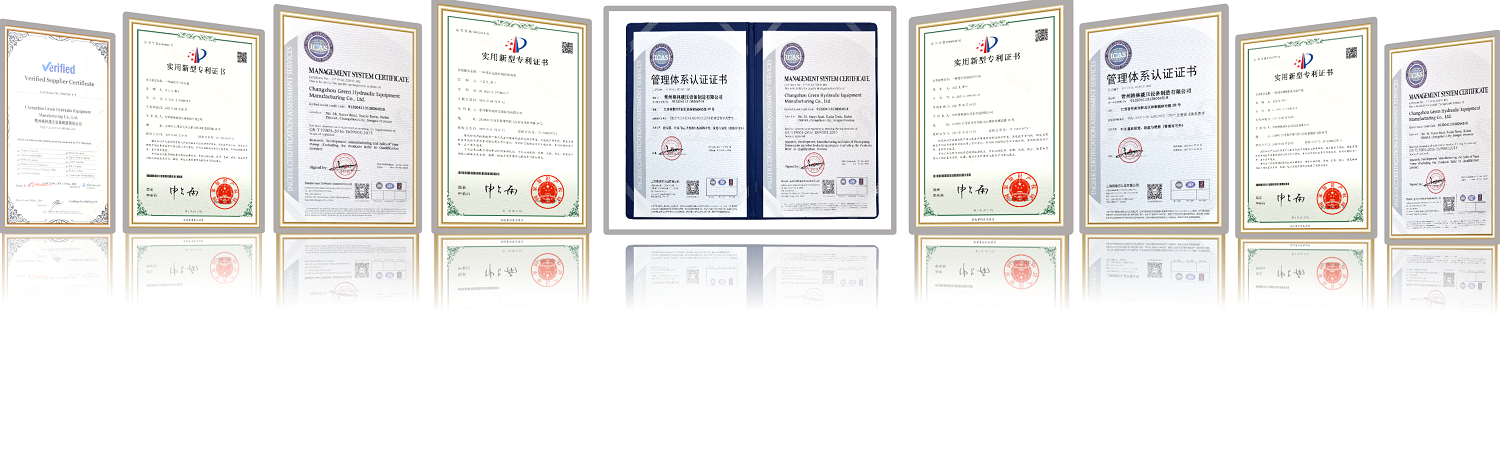
Valves are manufactured in compliance with international standards, ensuring high performance and reliability:
ISO 9001: Certified for quality management systems.
CE Certification: Ensures compliance with European safety, health, and environmental protection standards.
RoHS Compliance: Ensures the component does not contain hazardous materials.
Factory Testing: Every valve is rigorously tested for performance, pressure, and leak integrity before shipping.
1.What's our advantages?
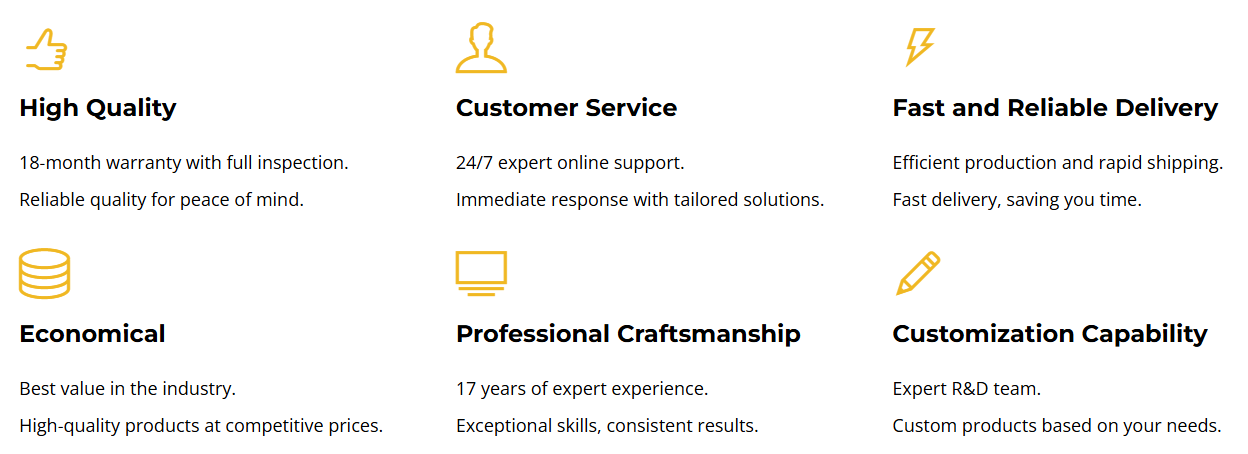
Factory established in 2005;
With a great deal of production experience;
80+ employees become the professional team;
Constant updated ERP system ensure efficiency of work;
Sophisticated equipment ehanced the accuracy of products;
Professional salesmen provide the greast service;
With a large number of famous customers all over the world;
Great after-sales service;
With the long term cooperation with famous logistics and express company in China,provide the better goods service.
Small order/sample order,full payment in advance; Big orders send the first payment 30% before the production,and the balance before shippment.We'll show the photos of the products and packages before delivery.
Of course we can. Just send me your logo we can make it for you.
America(40.5%):USA, Canada, Argentina, Brazil
Europe(30.8%):Italy,Germany,England,Holland,Spain,Swiss,Finland,Russia,Poland.
Asia(23.5%):Korea,singapore,India,Turkey,Vietnam,Saudi Arabia,Syria, Israel,Lebanon.
Others(5.8%).
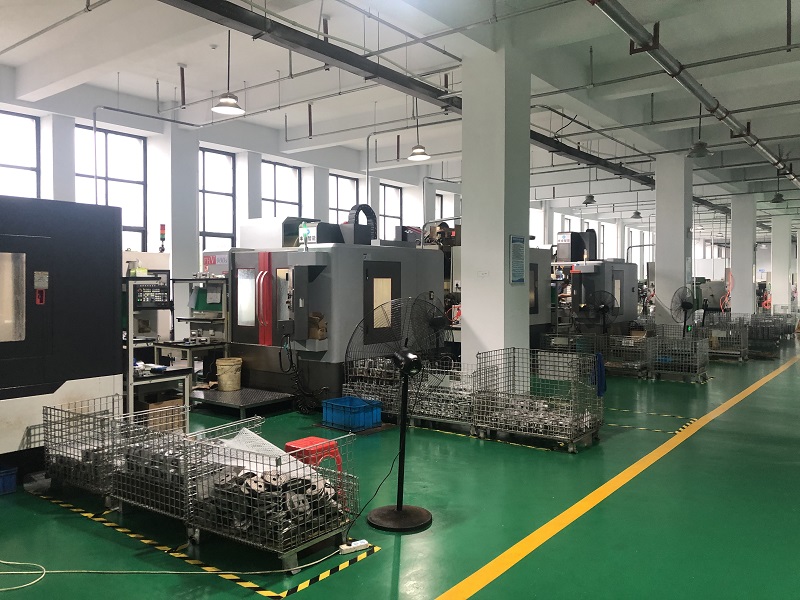
The Cissoko hydraulic pump manufacturing facility is a specialized industrial plant that focuses on producing hydraulic pumps and related components. These factories are equipped with advanced machinery and technology to fabricate high-quality pumps designed for a wide range of applications, from heavy equipment and machinery to automotive and industrial systems.
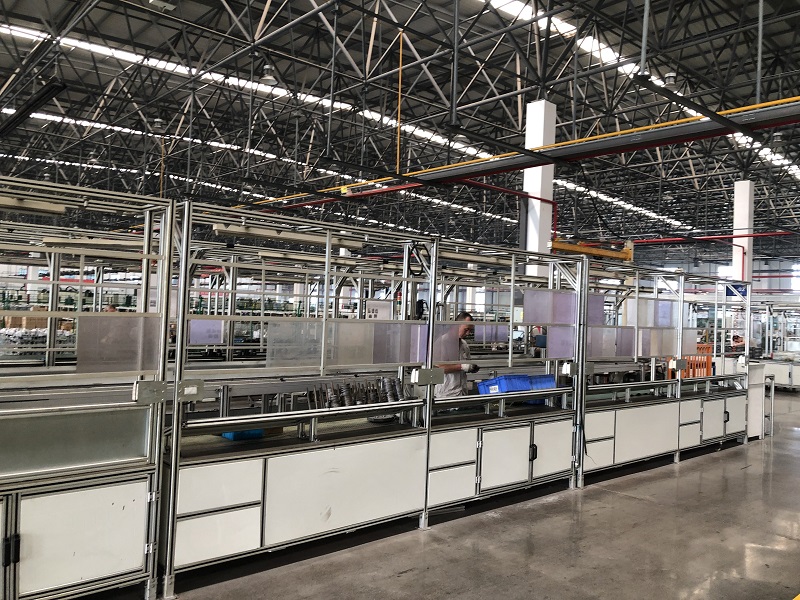
The production process typically involves precision engineering, where raw materials like metals and alloys are processed into pump components such as gears, pistons, cylinders, and seals. These parts are then assembled into fully functional hydraulic pumps, which are tested for performance and quality control to ensure reliability, efficiency, and durability under various working conditions.
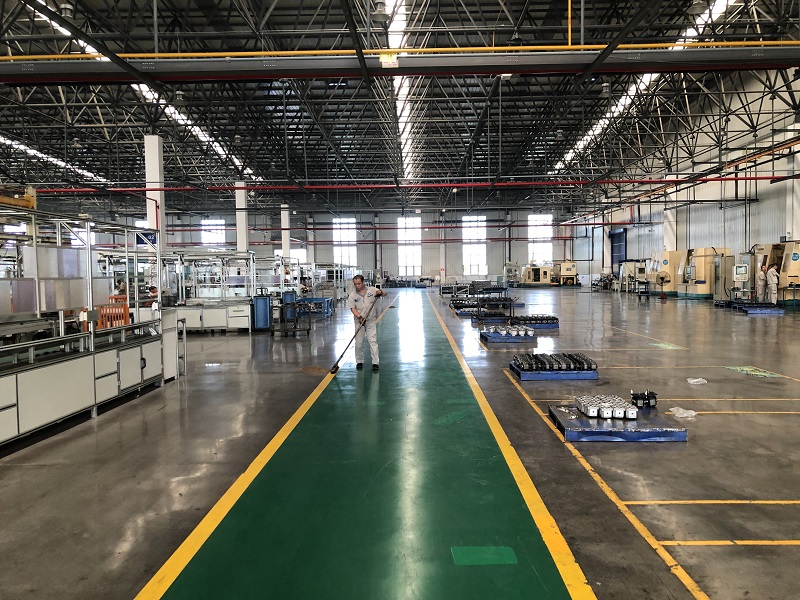
Cissoko Hydraulic's manufacturing facilities for hydraulic pumps maintain stringent quality standards, often adhering to international certifications, to meet the expectations of customers in industries such as construction, agriculture, automotive, and manufacturing.
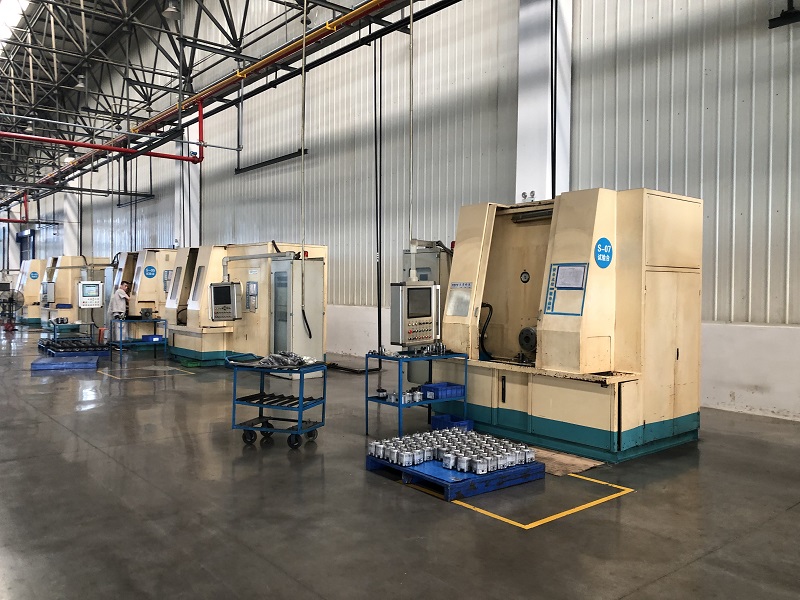
All hydraulic pumps produced by Cissoko Hydraulic have undergone compliance testing, ensuring their quality and reliability.
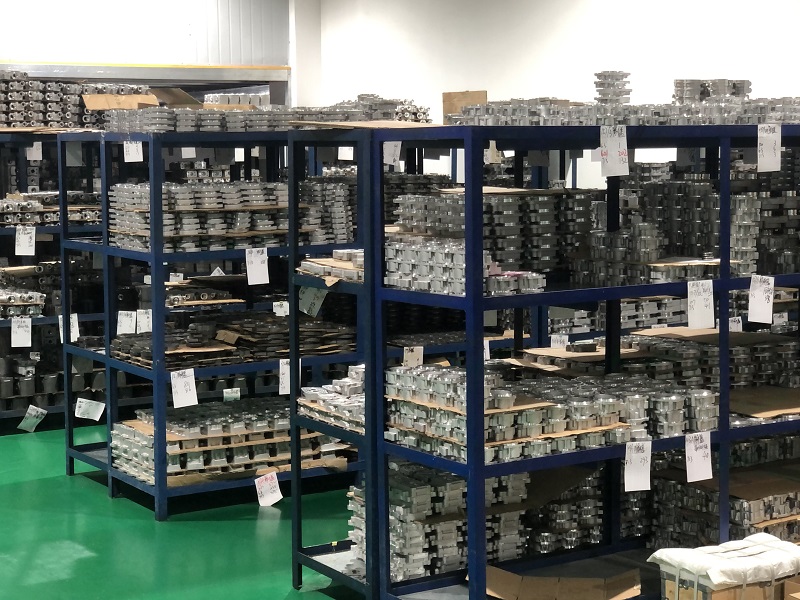
To meet the diverse needs of different industries, the Cissoko hydraulic offer customization options, such as specialized seals, materials, and pump configurations. These facilities often work closely with engineering teams to develop tailored solutions for specific applications, from high-pressure systems to low-flow, high-efficiency pumps.
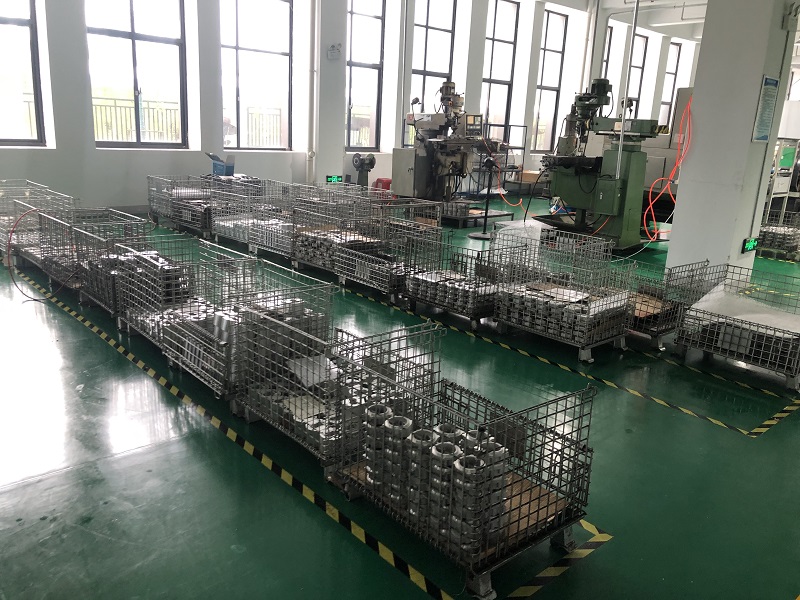
Each pump undergoes a rigorous quality control process, where pressure tests and performance assessments are conducted to ensure that the pumps meet the required standards for flow rate, pressure capacity, and durability.