|


GLXK-2 Manual Control Valve
cissoko
| Quantity: | |
|---|---|
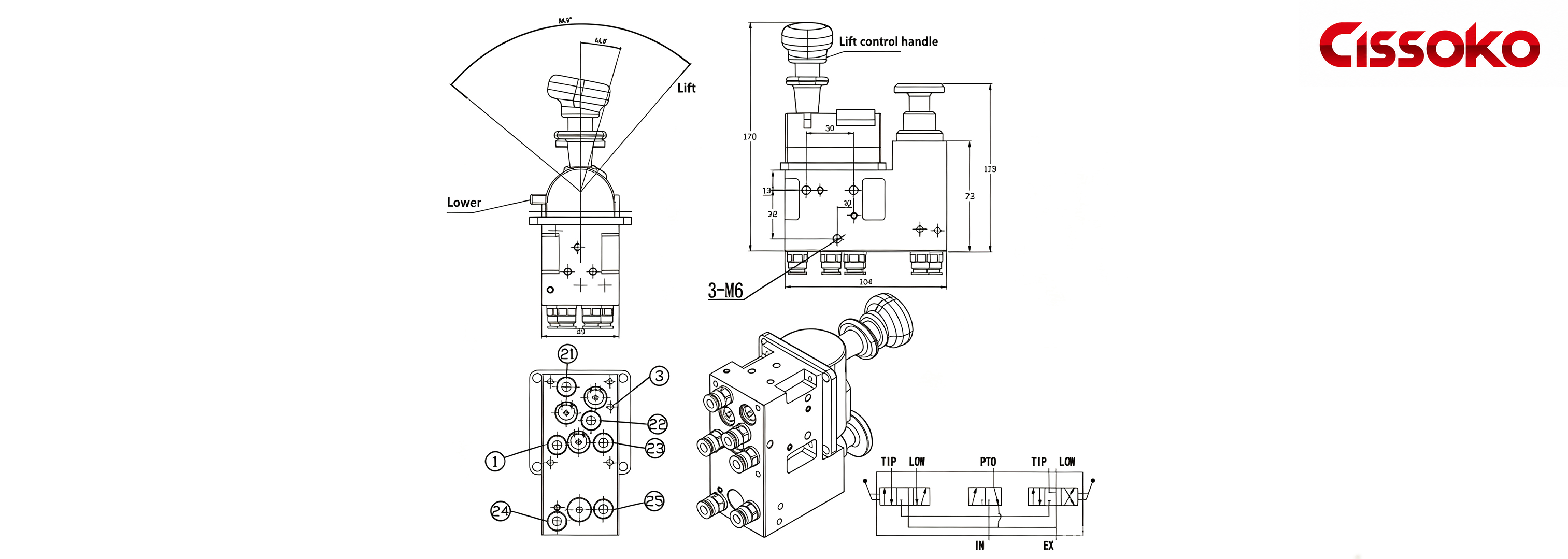
The GLXK-2 is a dual-section manual hydraulic directional control valve widely used in the hydraulic systems of small-to-medium-sized construction machinery, agricultural equipment, and truck-mounted cranes. Featuring a high-strength cast iron body—available in either monoblock or sectional configurations—it utilizes two independent manual control levers to separately control the extension, retraction, and stopping of two double-acting or single-acting hydraulic cylinders (or hydraulic motors).
Built-in Primary Relief Valve: An adjustable pressure relief valve is integrated at the inlet (Port P). When the system is overloaded or a cylinder reaches its mechanical limit—causing a sudden spike in system pressure—the relief valve automatically opens to divert excess flow back to the reservoir (Port T), thereby protecting the hydraulic pump and piping from damage caused by excessive pressure buildup.
Independent Load-Check Valves: Each working section is equipped with a highly sensitive check valve. When two handles are operated simultaneously to control different loads, these valves effectively prevent backflow from the high-load circuit to the low-load circuit, eliminating issues such as slight sagging or "load drift" during directional switching.
High-Strength Iron Casting: The valve body is precision-cast from ductile iron, while the internal spools undergo precision grinding and hard-chrome plating. This construction ensures exceptional wear resistance, deformation resistance, and high-pressure tolerance, maintaining minimal internal leakage even under frequent, repetitive operation.
Applications
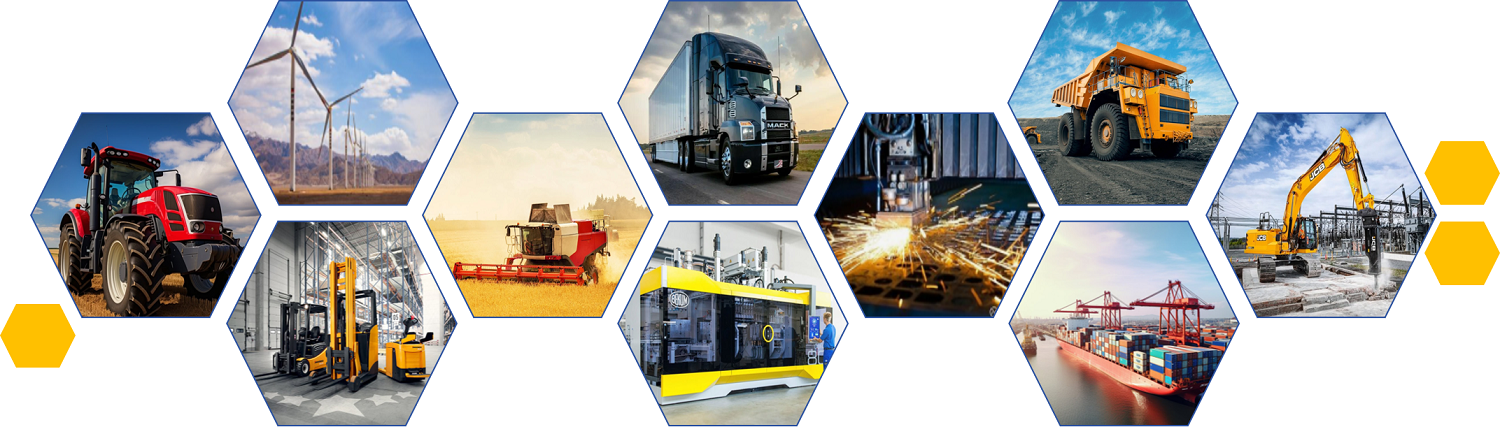
Agricultural Machinery & Utility Tractors
Role: Installed on compact and mid-sized farm tractors to manage the independent movements of a front-end loader attachment (one lever controls boom lifting, the other controls bucket tilting) or rear 3-point hitches. [1]
Light Construction & Earthmoving Equipment
Role: Drives auxiliary hydraulic mechanisms on mini-excavators, skid steers, and site dumpers, such as controlling the extension of left/right stabilizer outrigger legs or leveling blades.
Material Handling & Forklifts
Role: Operates the primary fluid lines for small electric/diesel forklifts and stackers, separating the mast lifting circuit from the mast tilting network via the two manual handles.
Light Wreckers & Flatbed Tow Trucks
Role: Perfectly handles dual hydraulic functions on recovery vehicles—where Section 1 operates the hydraulic winch motor and Section 2 controls the tilting flatbed tilt cylinders.
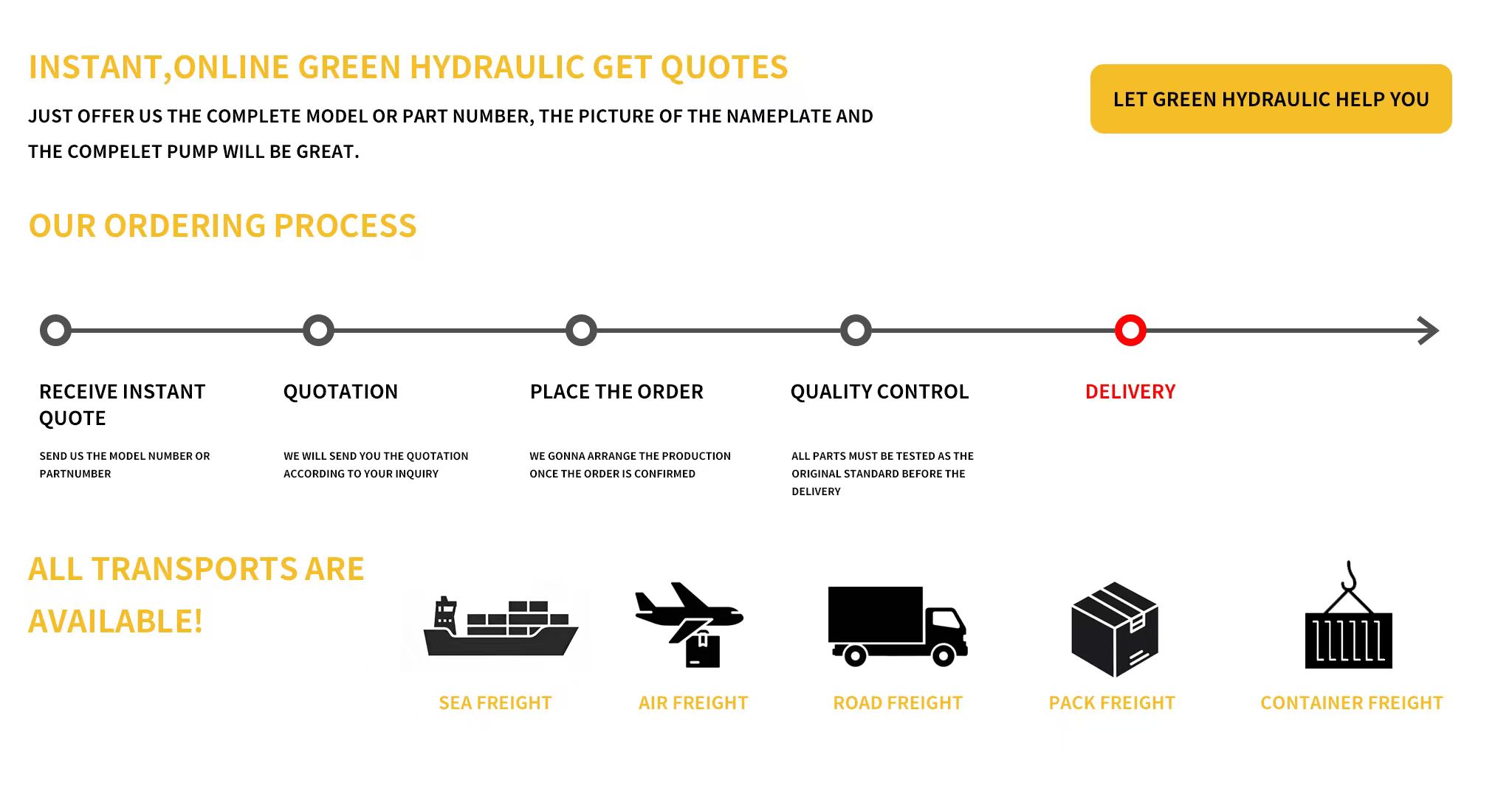
GLXK-2 Manual Control Valves are typically packaged securely to prevent damage during transit. The packaging includes:
Protective Wrapping: To safeguard the pump from environmental damage.
Custom Crates: For larger, heavier pumps, ensuring safe handling.
Documentation: Includes installation, maintenance instructions, and warranty details.
Delivery time depends on the model, customizations, and location but typically ranges from 2 to 6 weeks from the order date.
Answer: The "2" directly represents a Dual-Section (2-Spool / 2-Handle) configuration. This means the unified valve block houses two separate internal spools, allowing the machine operator to independently control two distinct hydraulic cylinders or motors from one central block.
Answer: Stiff or jammed handles are almost always caused by hydraulic oil contamination. Fine metal shavings, dirt particles, or degraded oil varnish can wedge into the ultra-tight clearance between the valve spool and the housing. To fix it, the affected spool must be carefully extracted, cleaned, and the system fluid and filters replaced.
Answer: Oil weeping from the lever linkage area indicates that the internal spool shaft shaft O-rings or dust seals have failed. This is commonly triggered by abrasive dirt accumulation scratching the seal, or because the system oil has been running consistently above its rated temperature limit, hardening the rubber. Replacing the section seal kit resolves this leak.
Answer: If the load slips during multi-lever operations, it means the section's internal load-check single-acting valve is fouled. If fine grit or debris gets trapped under the check valve’s internal steel ball or poppet seat, it cannot seal perfectly, allowing high-pressure oil from the holding cylinder to momentarily backflow when system pressure shifts.
Answer: The valve houses an integrated primary pressure relief valve on the main inlet (P port) side beneath a protective hex cap. To step up the lifting capability, remove the cap, loosen the locknut, and turn the internal set-screw slightly clockwise while monitoring a high-pressure gauge hooked to a working port. Never exceed the 25 MPa maximum safe threshold of the valve or your pump
Yes, we support OEM and customization, including nameplate, packaging, and specific performance requirements. Send us your drawings or specifications for evaluation.
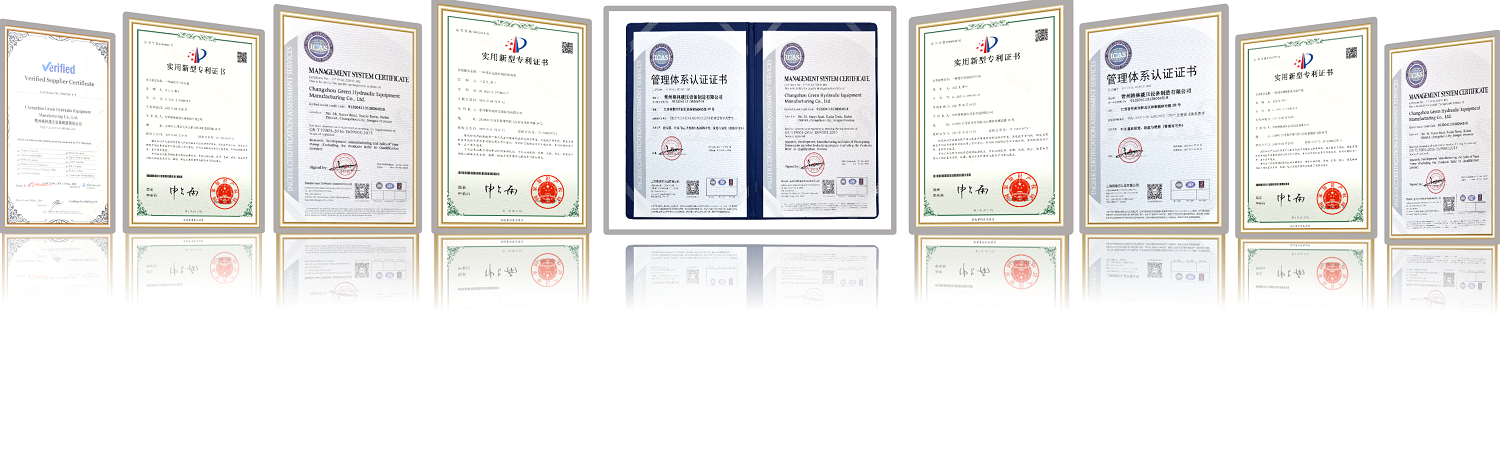
GLXK-2 Manual Control Valve are manufactured in compliance with international standards, ensuring high performance and reliability:
ISO 9001: Certified for quality management systems.
CE Certification: Ensures compliance with European safety, health, and environmental protection standards.
RoHS Compliance: Ensures the Valve does not contain hazardous materials.
Factory Testing: Every valve is rigorously tested for performance, pressure, and leak integrity before shipping.
1.What's our advantages?
Factory established in 2005;
With a great deal of production experience;
80+ employees become the professional team;
Constant updated ERP system ensure efficiency of work;
Sophisticated equipment ehanced the accuracy of products;
Professional salesmen provide the greast service;
With a large number of famous customers all over the world;
Great after-sales service;
With the long term cooperation with famous logistics and express company in China,provide the better goods service.
Small order/sample order,full payment in advance; Big orders send the first payment 30% before the production,and the balance before shippment.We'll show the photos of the products and packages before delivery.
Of course we can. Just send me your logo we can make it for you.
America(40.5%):USA, Canada, Argentina, Brazil
Europe(30.8%):Italy,Germany,England,Holland,Spain,Swiss,Finland,Russia,Poland.
Asia(23.5%):Korea,singapore,India,Turkey,Vietnam,Saudi Arabia,Syria, Israel,Lebanon.
Others(5.8%).
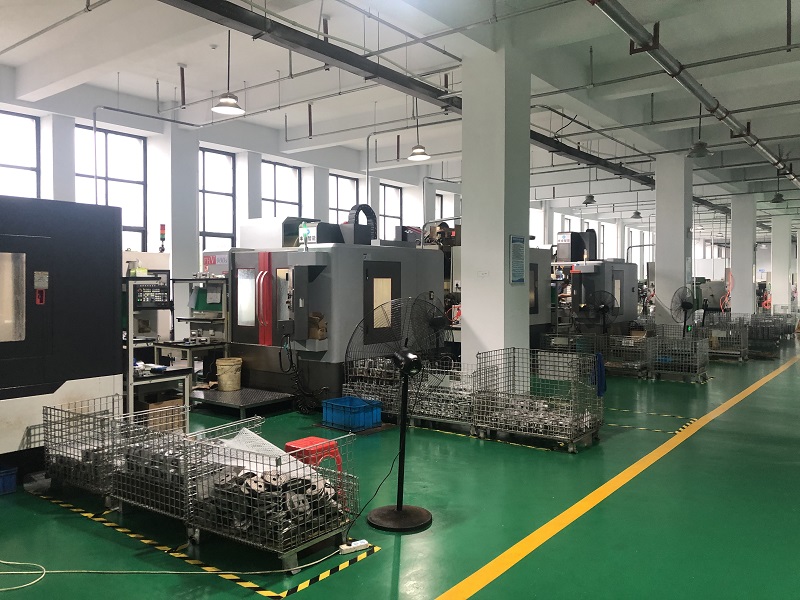
The Cissoko hydraulic pump manufacturing facility is a specialized industrial plant that focuses on producing hydraulic pumps and related components. These factories are equipped with advanced machinery and technology to fabricate high-quality pumps designed for a wide range of applications, from heavy equipment and machinery to automotive and industrial systems.
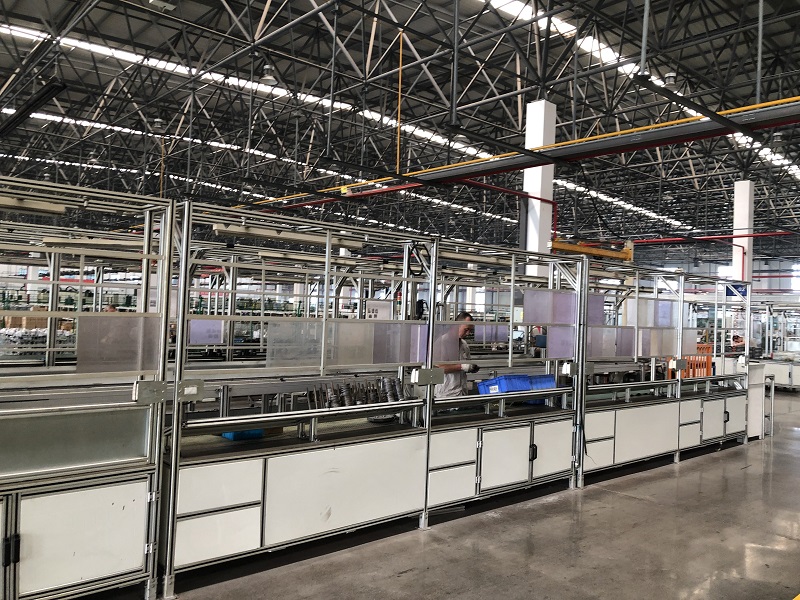
The production process typically involves precision engineering, where raw materials like metals and alloys are processed into pump components such as gears, pistons, cylinders, and seals. These parts are then assembled into fully functional hydraulic pumps, which are tested for performance and quality control to ensure reliability, efficiency, and durability under various working conditions.
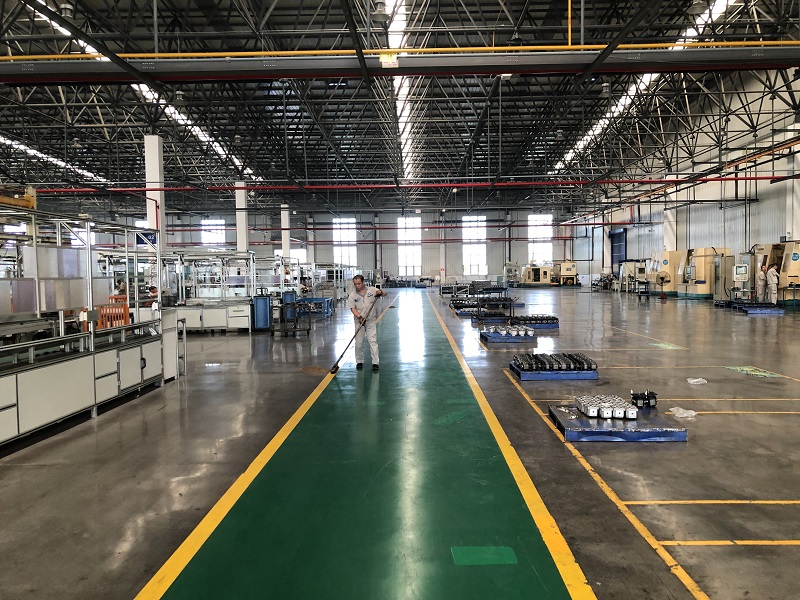
Cissoko Hydraulic's manufacturing facilities for hydraulic pumps maintain stringent quality standards, often adhering to international certifications, to meet the expectations of customers in industries such as construction, agriculture, automotive, and manufacturing.
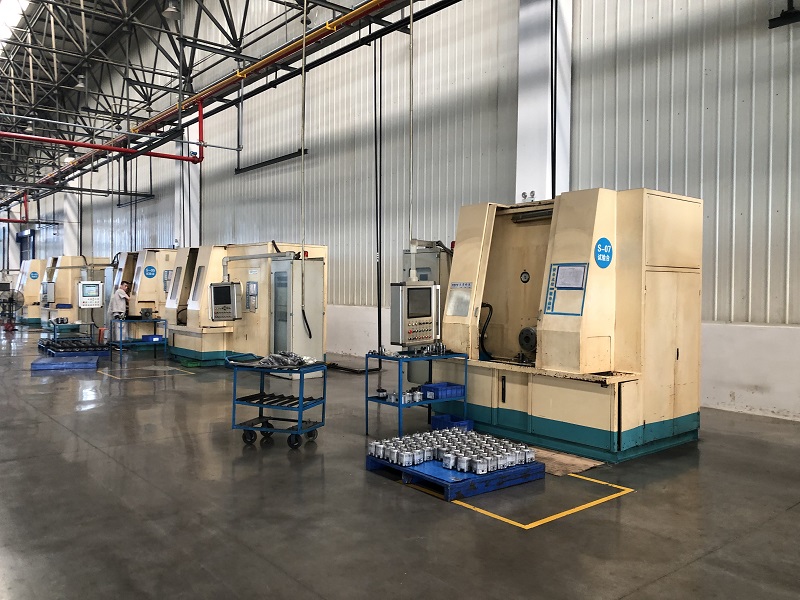
All hydraulic pumps produced by Cissoko Hydraulic have undergone compliance testing, ensuring their quality and reliability.
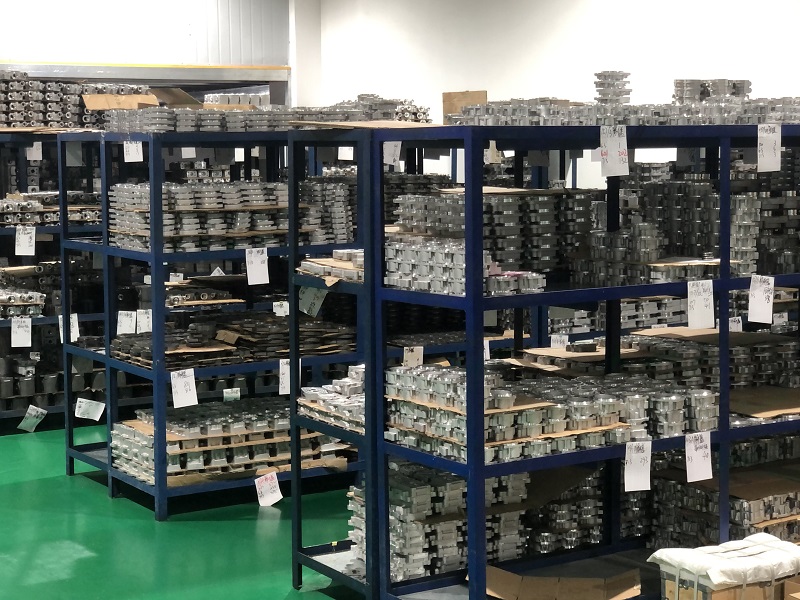
To meet the diverse needs of different industries, the Cissoko hydraulic offer customization options, such as specialized seals, materials, and pump configurations. These facilities often work closely with engineering teams to develop tailored solutions for specific applications, from high-pressure systems to low-flow, high-efficiency pumps.
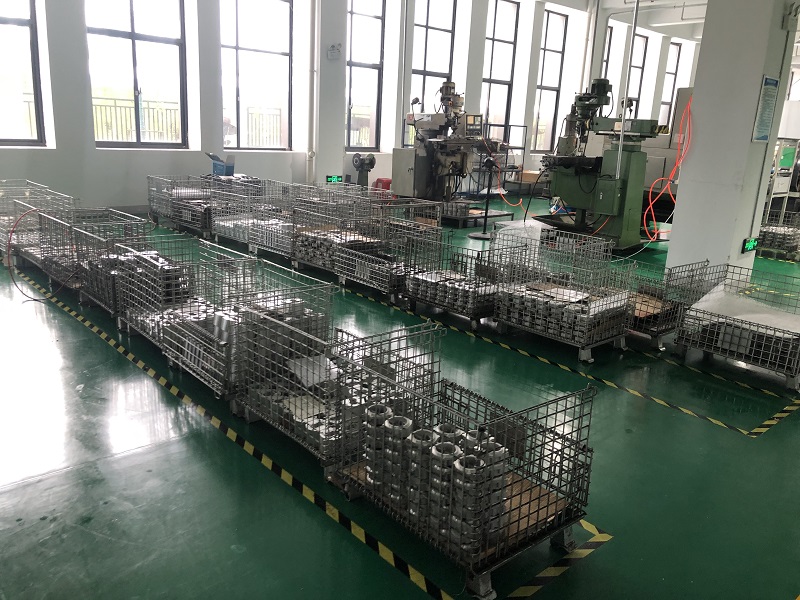
Each pump undergoes a rigorous quality control process, where pressure tests and performance assessments are conducted to ensure that the pumps meet the required standards for flow rate, pressure capacity, and durability.