
Views: 0 Author: Site Editor Publish Time: 2026-09-27 Origin: Site


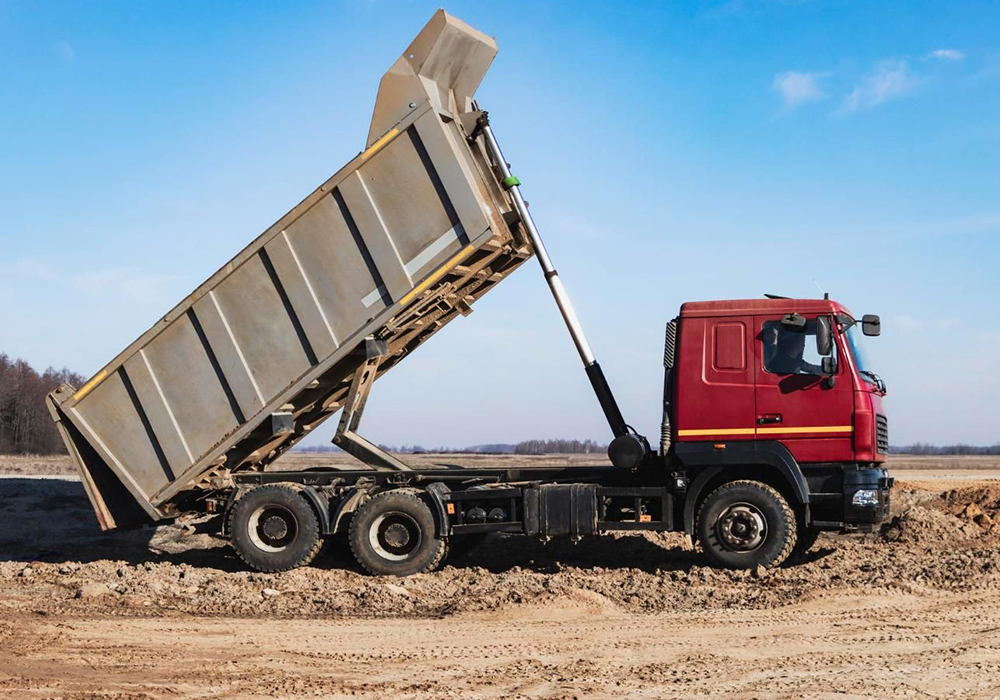
If your dump truck raises too slowly, struggles to lift a normal load, or stops before reaching its full height, the hydraulic system may need inspection.
However, adjusting hydraulic pressure is not always the solution. Most conventional PTO-driven dump trucks use fixed-displacement gear pumps, and maximum system pressure is typically controlled by a pressure relief valve rather than an adjustment on the pump itself.
This guide explains how to inspect the hydraulic system, check its operating pressure, adjust the relief valve when necessary, and troubleshoot common lifting problems.
Hydraulic systems operate under high pressure. Only trained personnel should perform pressure testing and adjustments. Never work beneath a raised dump body without its manufacturer-approved mechanical support, and never exceed the pressure rating of the system's lowest-rated component.
The answer depends on the hydraulic pump and system design.
Many dump trucks use a fixed-displacement gear pump driven by a power take-off (PTO). These pumps deliver a set volume of oil per revolution and usually have no external pressure adjustment screw.
Instead, system pressure is limited by a relief valve, which may be integrated into the pump assembly, installed in the directional control valve, or mounted in a separate hydraulic manifold.
Some trucks use variable-displacement pumps or more complex hydraulic control systems. These require model-specific adjustment procedures.
| Hydraulic parameter | Main function | What affects it |
|---|---|---|
| Pressure | Available lifting force | Load and relief valve setting |
| Flow | Lifting speed | Pump displacement, PTO speed and volumetric efficiency |
| Pump efficiency | Performance under load | Internal wear, oil condition and leakage |
| Oil temperature | System efficiency and reliability | Operating conditions, oil viscosity and heat dissipation |
Increasing the relief valve setting does not automatically increase lifting speed. A slow dump body may need a flow-related repair rather than a pressure adjustment.
Pressure adjustment may be required after installing a replacement pump, rebuilding a hydraulic control valve, replacing a relief valve, modifying the hoist system, or discovering that measured relief pressure is outside the manufacturer's specification.
Before changing the setting, inspect the system for common problems such as low oil level, restricted suction lines, incorrect pump rotation, internal leakage and excessive loading.
Preparation checklist
0/6 ready
Calibrated hydraulic pressure gauge
Pressure-rated gauge hose and compatible test fittings
Suitable wrenches and adjustment tools
Approved mechanical dump body support
Wheel chocks and personal protective equipment
Manufacturer's pressure specification and service manual
Park the truck on firm, level ground, engage the parking brake, chock the wheels and lower the dump body whenever possible. Disengage the PTO and release trapped pressure before connecting or disconnecting any test equipment.
Never use your hands to locate a hydraulic oil leak. Escaping high-pressure oil can cause serious injection injuries.
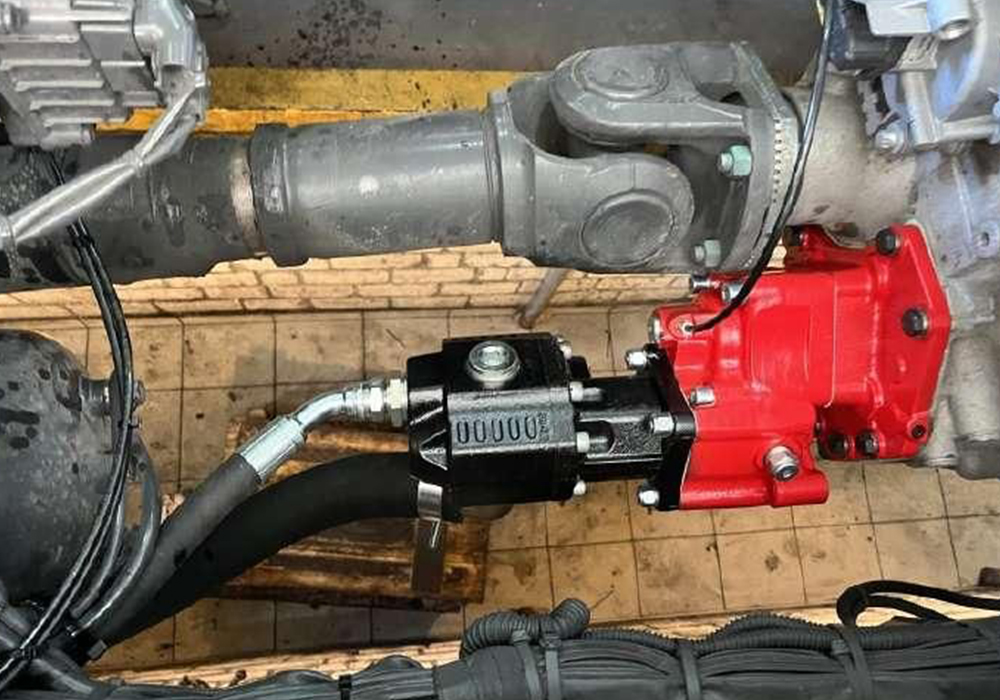
Step 1: Identify the pump and pressure specification
Check the hydraulic pump nameplate, truck manual and hoist specifications. Locate the recommended operating pressure, maximum allowable pressure and designated test point. Never guess the pressure setting or use a value intended for a different model.
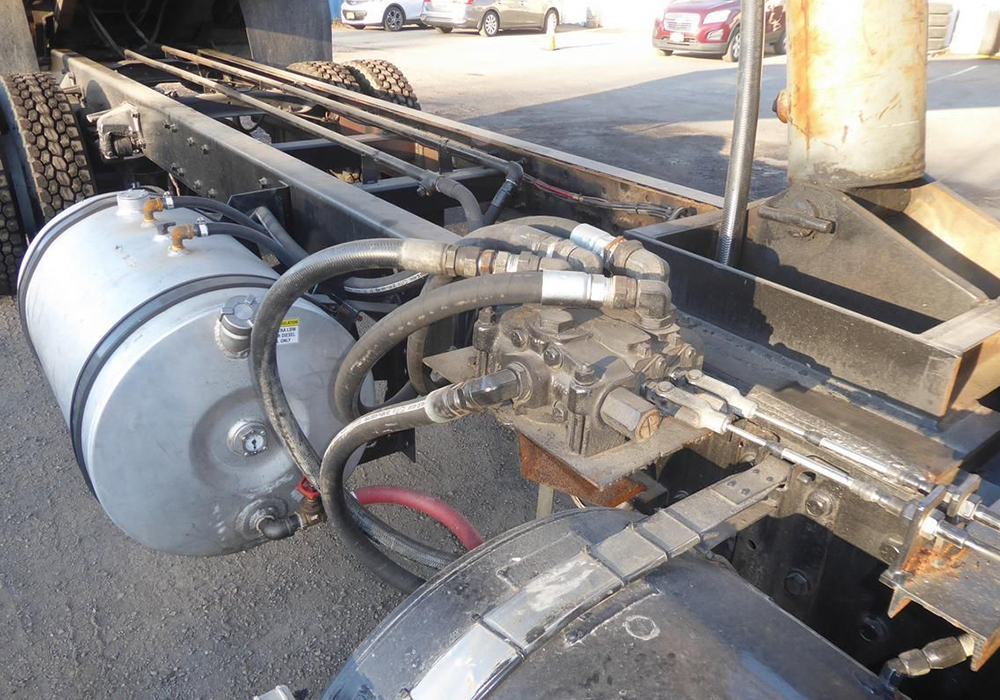
Check hydraulic oil level and condition, suction hoses, filters, fittings and visible leaks. Verify correct pump rotation and PTO engagement. Ensure the directional control valve operates correctly in the raise, neutral and lower positions.
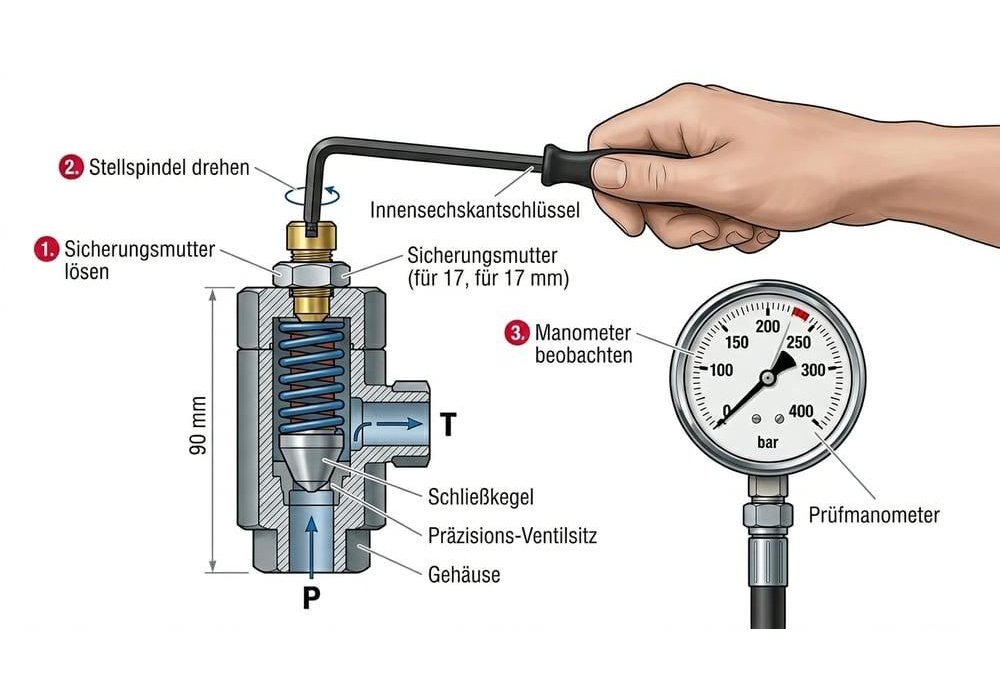
Identify the correct main relief valve using the hydraulic schematic or component manual. It may be installed in the pump, integrated pump-and-valve assembly, directional control valve or separate manifold. Do not confuse it with a lowering-speed valve or load-holding valve.
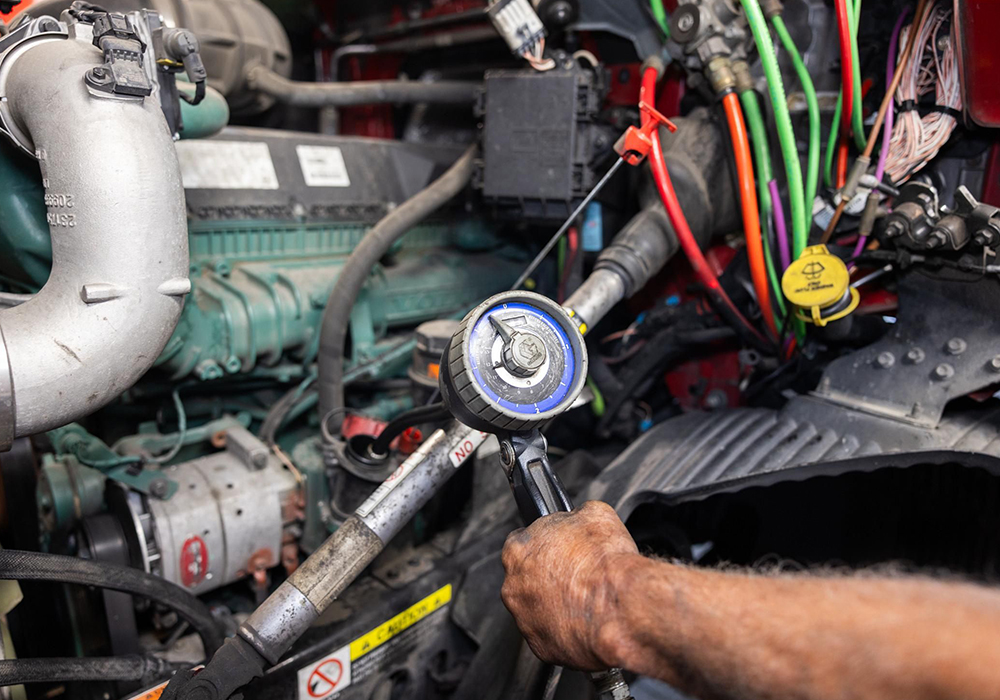
With the PTO disengaged and stored pressure safely released, connect a calibrated gauge to the manufacturer-designated test port. Ensure the gauge, fittings and hoses are rated for the maximum possible test pressure and can be read from a safe position.
Start the engine and bring the hydraulic oil to its specified operating temperature. Follow the manufacturer's procedure for measuring relief pressure at the recommended PTO and engine speed. Use an approved test method and avoid holding the system at relief pressure longer than necessary. Record the original reading.
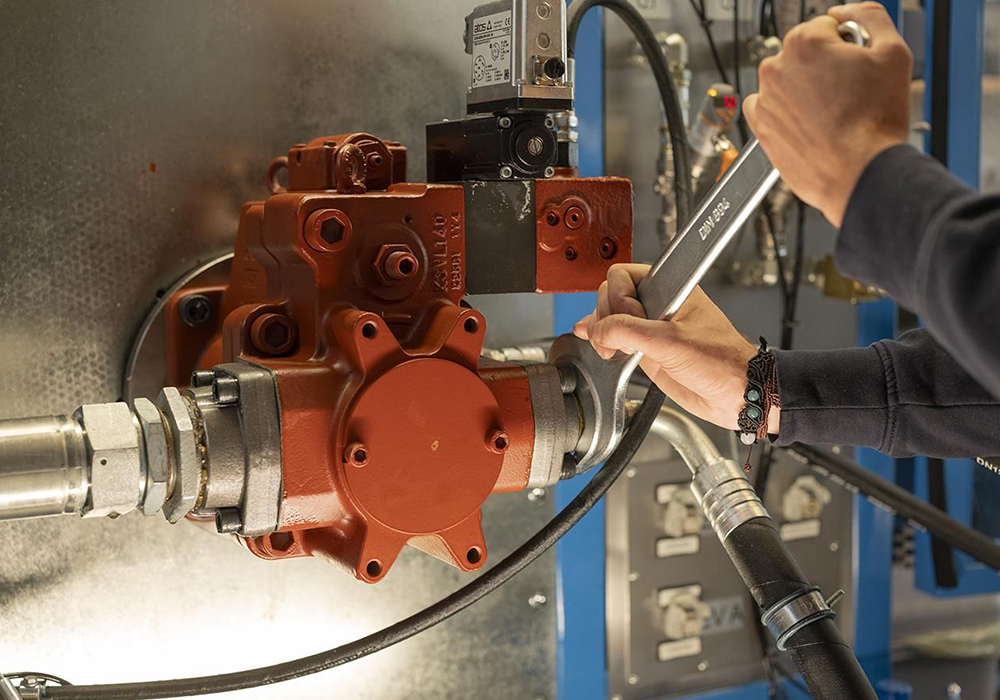
If the measured setting is incorrect, disengage the PTO and follow the component manufacturer's procedure for making an adjustment. Where required, relieve hydraulic pressure before working on the adjustment mechanism. Make small adjustments and repeat the pressure test. On many valves, clockwise rotation increases the setting, but this is not universal.
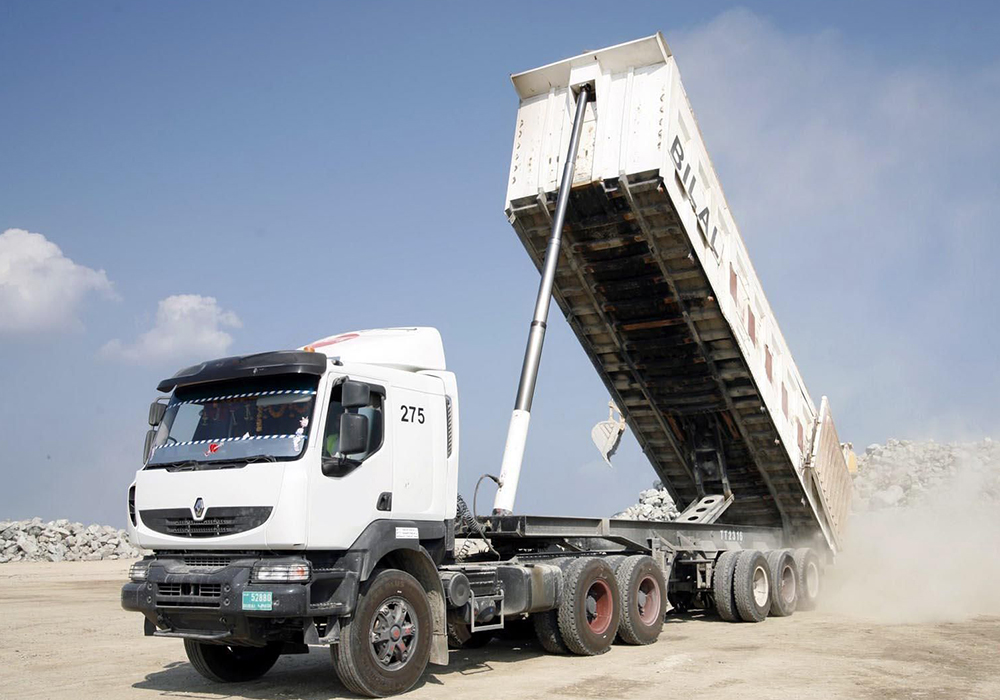
Secure the adjustment mechanism according to the manufacturer's instructions and verify the final pressure. Check raising and lowering functions, abnormal noise, oil leakage and temperature. Perform any load test only within the manufacturer's approved procedure and rated capacity.
The table below helps identify possible faults before making unnecessary pressure adjustments or replacing the pump.
| Symptom | Possible causes | Recommended inspection |
|---|---|---|
| Dump body raises slowly | Low pump flow, restricted suction line, incorrect PTO speed | Check flow, inlet condition and PTO operation |
| Dump body cannot lift a normal load | Low relief pressure, internal leakage, worn pump | Test pressure and inspect the valve, pump and cylinder |
| Body stops before full height | Insufficient oil, mechanical obstruction, system fault | Inspect oil level, cylinder travel and system pressure |
| Pump makes unusual whining noises | Cavitation, aeration, restricted inlet | Inspect oil level, inlet hose and suction connections |
| Oil becomes excessively hot | Prolonged relief operation, internal leakage, inadequate cooling | Inspect the relief valve, flow losses and oil cooling |
| Dump body lowers unexpectedly | Cylinder leakage, valve leakage or load-holding fault | Stop operation and inspect the holding and lowering circuits |
These symptoms are diagnostic clues, not proof that any one component is defective. Pressure and flow testing should be used to distinguish pump problems from valve, cylinder and plumbing faults.
Pressure and flow affect different aspects of dump truck performance.
Lifting force
Determines the force available to move the load.
Lifting speed
Determines how quickly hydraulic oil fills the cylinder.A truck that has adequate lifting force but operates slowly may have insufficient pump flow, inappropriate PTO speed, excessive flow restriction or internal leakage. Raising the relief pressure will not correct those problems.
If the relief valve has been set according to the manufacturer's procedure but the system still cannot achieve the specified pressure, investigate the following components.
Relief valve: Contamination, a damaged spring, a worn valve seat or a faulty adjustment mechanism can prevent proper pressure regulation.
Hydraulic pump: Excessive internal wear can reduce volumetric efficiency and cause poor performance under load. A flow test can help establish whether replacement is necessary.
Suction system: A restricted strainer, undersized hose, blocked breather or air leak can cause cavitation and prevent proper pump operation.
Hydraulic cylinder: Internal seal leakage may cause insufficient lifting force, slow movement or uncontrolled body drift, depending on the cylinder and circuit design.
Directional control valve: Internal leakage or incomplete spool movement can divert oil away from the cylinder.
Mechanical or loading problems: Check for excessive loads, damaged pivots, binding or other mechanical faults before attempting further hydraulic adjustment.
Increasing relief pressure without checking the manufacturer's specification.
Adjusting the relief valve without a calibrated gauge.
Assuming slow lifting always means insufficient pressure.
Holding the system at relief pressure for too long.
Exceeding recommended PTO speed or equipment capacity.
Testing the truck with an unsecured load.
Working beneath an unsupported dump body.
Replacing the pump before checking the relief valve and hydraulic cylinder.
Increasing relief pressure may change the available hydraulic force, but it does not increase the truck's rated payload or structural lifting capacity. Never exceed the manufacturer's specified pressure or load limits.
There is no universal setting. Required pressure varies according to the hoist, hydraulic cylinder, pump, valve and truck configuration. Refer to the equipment specifications rather than using a generic pressure value.
Possible causes include low pump flow, incorrect PTO speed, suction restrictions, high oil viscosity, internal leakage and worn pump components. A hydraulic flow test can help identify the problem.
In many conventional systems, pressure is controlled by an adjustable relief valve. This valve may be built into the pump assembly, located on the directional control valve or installed in a separate manifold. The exact location depends on the model.
Common symptoms include poor performance under load, reduced flow, abnormal noise and overheating. These symptoms can also have other causes, so pressure and flow testing should be performed before replacing the pump.
Yes. Oil with unsuitable viscosity, excessive contamination or entrained air can affect flow, lubrication, temperature and hydraulic efficiency. Always follow the equipment manufacturer's oil specifications.
If your hydraulic pump is damaged, excessively worn or unsuitable for the application, adjustment alone may not restore normal performance.
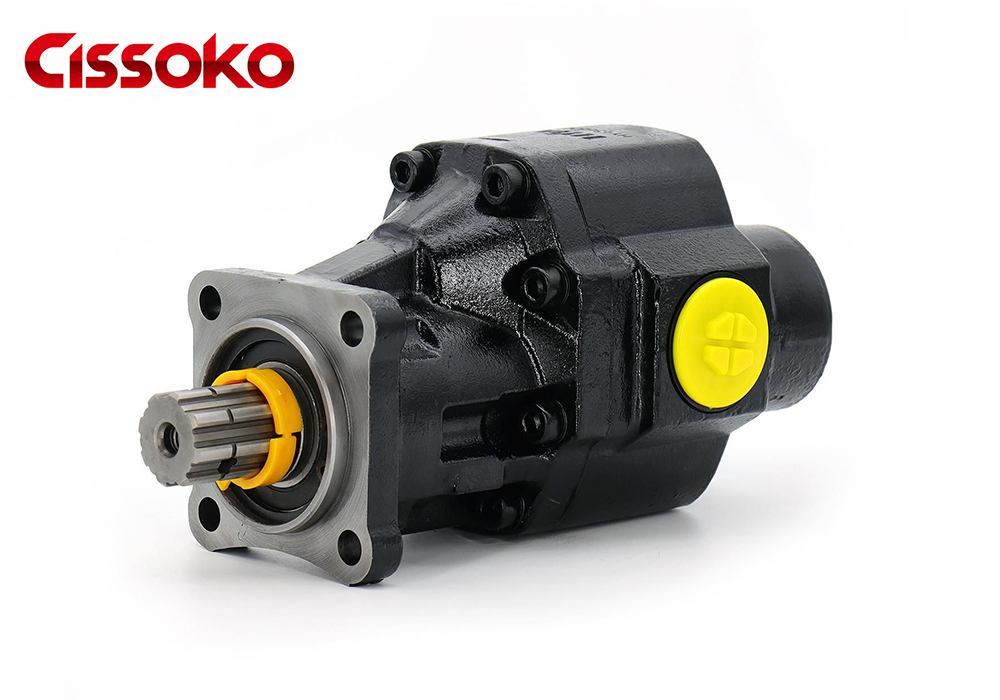
Cissoko Hydraulic manufactures and supplies hydraulic pumps, valves, telescopic cylinders and related components for dump trucks and other hydraulic applications.
To help identify a suitable replacement, send us your existing pump model, nameplate photo, truck model and required specifications. Our technical team can review the information and discuss available options.

