|


BKGL34S-CQL+K
Cissoko
| Quantity: | |
|---|---|
The BKGL34S-CQL+K represents a premium manual air control valve with mounting bracket specifically engineered for tipper truck hydraulic systems. This complete pre-assembled control valve kit integrates lifting, stopping, and PTO functions within a robust housing mounted on a dedicated bracket. With a pneumatic control range of 0.6-1.2MPa and 4mm nominal diameter, this bidirectional control valve delivers precise operation in demanding conditions. The integrated mounting bracket eliminates custom fabrication, while the ergonomic handle and emergency stop button ensure intuitive control. Designed for straightforward installation in various cabin configurations, this complete tipper truck control solution withstands harsh operating environments through its durable engineering plastic and metal construction, making it ideal for construction, mining, and heavy transport applications where reliability and easy installation are paramount.
Four-in-one (functional integration): The handle has three standard positions: Raise, Hold, and Lower, and also features a power take-off (PTO) pneumatic control switch on the side or linked to the control panel . After activating the pneumatic PTO with one button, the cargo box can be raised or lowered by pushing or pulling the handle.
Proportional Lowering: Within the "lowering" range, the deeper the handle is pushed, the greater the air pressure output to the beam lifting valve, and the faster the cargo box lowers. The driver can achieve "micro-motion and slow lowering" by adjusting the handle's position , preventing large-tonnage cargo boxes from slamming down and damaging the beam.
Automatic self-locking at the middle stop position: When the handle is pulled to the "middle stop" position, the air circuit is in a mechanical self-locking state. At this time, the lifting valve is locked, and the car body will be steadily suspended at any angle without suddenly sliding down due to accidental touch.
Automatic PTO Shutdown: Equipped with advanced linkage protection, when the control handle is pushed to the "Down" position after unloading is complete, the PTO pneumatic switch will automatically spring back to shut off . This design effectively prevents the driver from forgetting to shut off the PTO, thus avoiding damage to the hydraulic pump or transmission while the vehicle is in motion.
| Parameter | Specification |
|---|---|
| Product Type | Cab control valve |
| Model Number | BKGL34S-CQL+K |
| Pneumatic Control Range | 1 MPa |
| Nominal Diameter | 4mm |
| Function | Bidirectional control valve, with tipping, stopping and dropping functions |
Applications
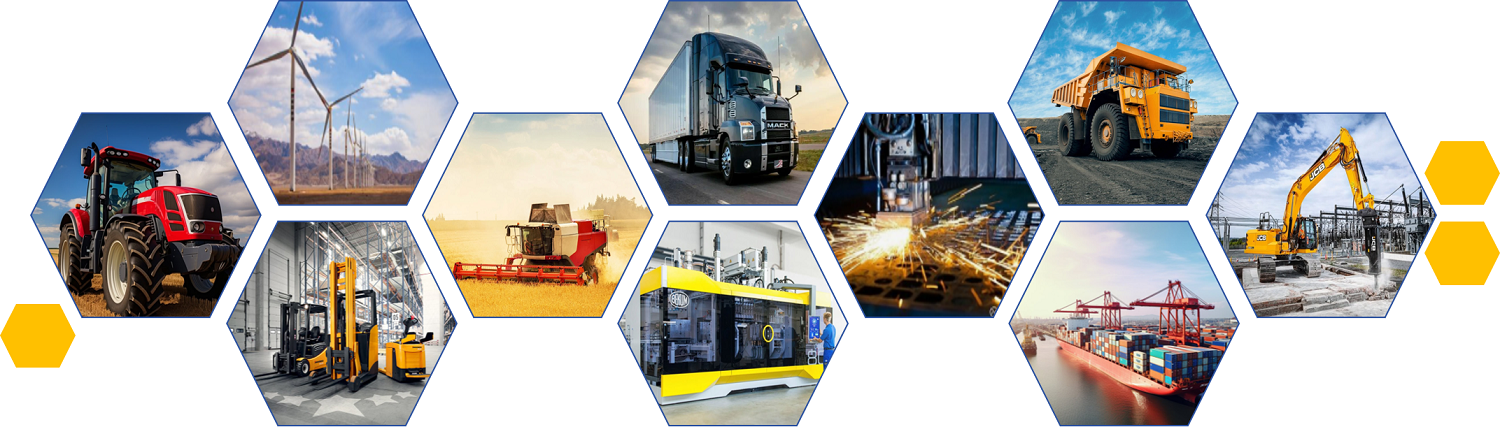
Heavy Wheel Loaders & Excavators: Used to split fluid from the main piston pump, prioritizing smooth hydraulic power steering lines while routing the remaining flow to drive heavy boom, arm, and bucket actions.
Complex Sanitation & Garbage Compactors: Coordinates multiple automated steps. It precisely distributes pump power so the vehicle can lift heavy trash containers smoothly while running high-pressure compaction blades at a controlled, uniform speed.
Large Mobile Mining & Drilling Rigs: Feeds high-pressure oil to auxiliary stabilizer jacks while maintaining steady, non-pulsating rotation fluid on the primary drill motor line.
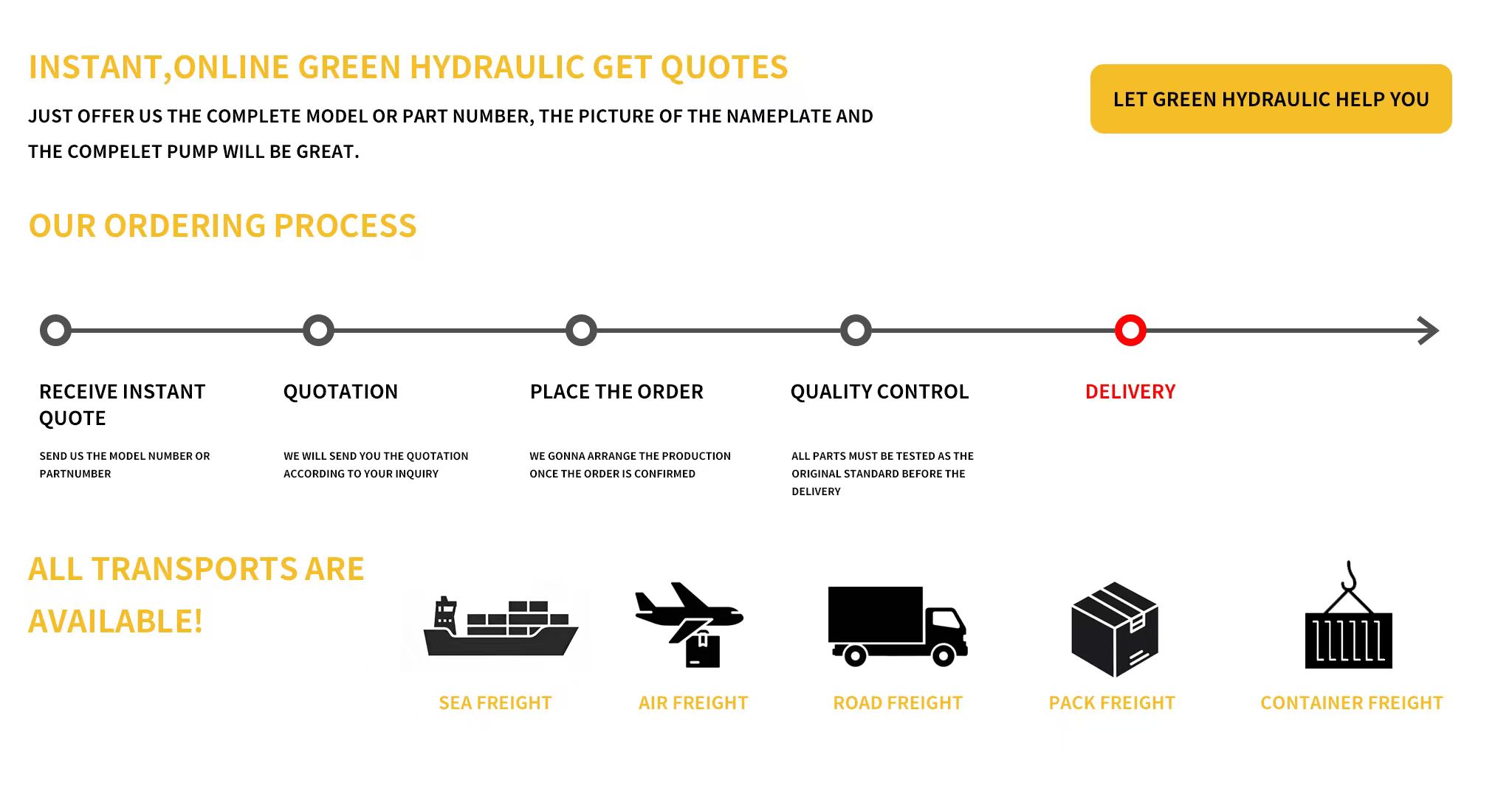
BKGL34S-CQL+K Manual Air Control Valve are typically packaged securely to prevent damage during transit. The packaging includes:
Protective Wrapping: To safeguard the pump from environmental damage.
Custom Crates: For larger, heavier pumps, ensuring safe handling.
Documentation: Includes installation, maintenance instructions, and warranty details.
Delivery time depends on the model, customizations, and location but typically ranges from 2 to 6 weeks from the order date.
A: This feature is an important security protection mechanism.
Principle: When you need to unload, first pull out (or press) the power take-off (PTO) pneumatic control switch on the side. After unloading, when you push the main control handle to the "Lower" position, the mechanical linkage at the bottom of the handle will automatically push the PTO switch back to its original position, thereby cutting off the PTO air supply . This completely prevents the driver from forgetting to turn off the PTO and driving directly, avoiding damage to the hydraulic pump or transmission.
A: This valve typically has 4 to 5 standard air ports marked with numbers (usually G1/8" quick-connect fittings). The general pipe fitting standards are as follows:
Port 1 (or Port P): Main air inlet, connected to the air reservoir (air source) of the truck's braking system.
Port 21 (or Port A): Lifting control port, connected to the lifting air chamber of the lifting valve under the main beam.
Port 22 (or Port B): Lowering control port, connected to the lowering proportional air chamber of the lifting valve under the main beam.
Port 3 (or Port T): Exhaust port (usually with a built-in mini muffler), used to release residual gas.
Power take-off port (usually marked with a specific symbol): A separate air pipe leads out and connects to the pneumatic control valve of the power take-off (PTO) of the gearbox.
A: This is a normal mechanical self-locking design.
Reason: "Mid-stop" refers to the state where the truck bed is suspended in the air. To prevent the driver from knocking over the handle on bumpy roads or in case of accidental activation, the valve is designed with a strong spring-loaded positioning steel ball (or groove). The handle must be pulled to this specific groove to achieve self-locking. At this point, all control air circuits are cut off, the lifting valve is locked, and the truck bed will be steadily suspended.
A: This is usually not a quality issue with the handle, but rather caused by excessive moisture in the truck's air system causing it to freeze.
Cause: If the truck's air dryer filter fails, moisture in the air can enter the control air circuit. In extremely cold weather, moisture can freeze around the O-ring seal on the handle valve core or harden the rubber, leading to increased friction (hardening during push-pull operation) or a poor seal (minor air leakage).
Solution: Regularly drain water from the vehicle's air tank and replace the truck's air dryer filter.
A: It is not recommended to fix it arbitrarily. Ergonomics and rigidity should be given priority.
Installation recommendations:
The heavy-duty steel brackets provided by "+K" are typically recommended to be mounted on the floor beams to the left or right of the driver's seat , or on the sturdy steel plate structure below the center console.
Do not simply use self-tapping screws to secure it to a thin plastic sheet or a loose casing. Because when operating a dump truck, the driver often pushes and pulls the handle quickly and with great force. If the base is unstable and shakes, it will not only affect the accuracy of the proportional speed control, but over time it may also break the plastic air hose at the bottom, causing air leakage.
Yes, we support OEM and customization, including nameplate, packaging, and specific performance requirements. Send us your drawings or specifications for evaluation.
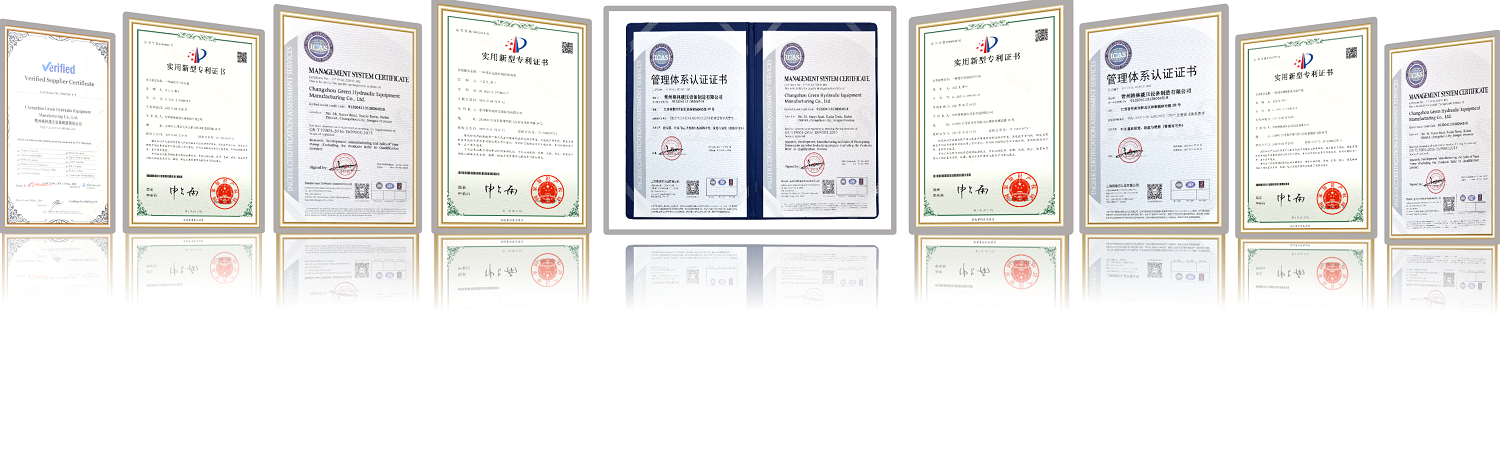
BKGL34S-CQL+K Manual Air Control Valve are manufactured in compliance with international standards, ensuring high performance and reliability:
ISO 9001: Certified for quality management systems.
CE Certification: Ensures compliance with European safety, health, and environmental protection standards.
RoHS Compliance: Ensures the Valve does not contain hazardous materials.
Factory Testing: Every valve is rigorously tested for performance, pressure, and leak integrity before shipping.
1.What's our advantages?
Factory established in 2005;
With a great deal of production experience;
80+ employees become the professional team;
Constant updated ERP system ensure efficiency of work;
Sophisticated equipment ehanced the accuracy of products;
Professional salesmen provide the greast service;
With a large number of famous customers all over the world;
Great after-sales service;
With the long term cooperation with famous logistics and express company in China,provide the better goods service.
Small order/sample order,full payment in advance; Big orders send the first payment 30% before the production,and the balance before shippment.We'll show the photos of the products and packages before delivery.
Of course we can. Just send me your logo we can make it for you.
America(40.5%):USA, Canada, Argentina, Brazil
Europe(30.8%):Italy,Germany,England,Holland,Spain,Swiss,Finland,Russia,Poland.
Asia(23.5%):Korea,singapore,India,Turkey,Vietnam,Saudi Arabia,Syria, Israel,Lebanon.
Others(5.8%).
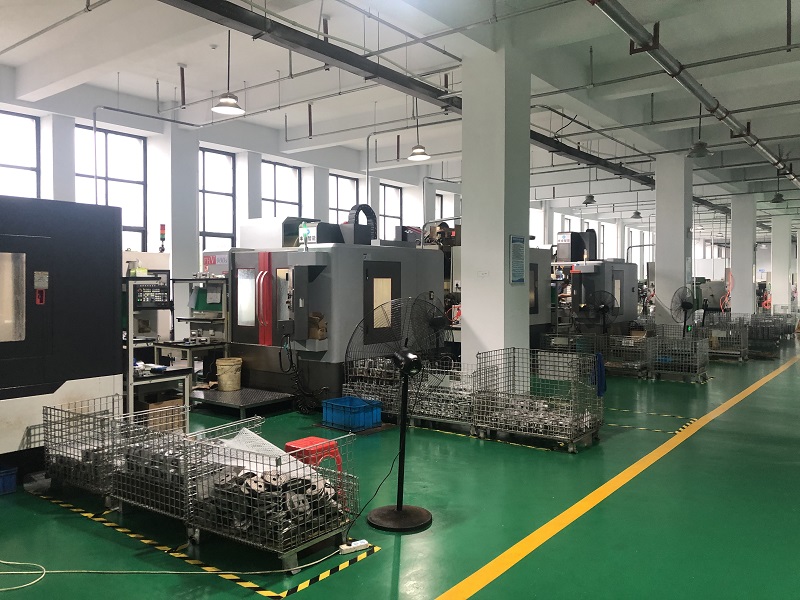
The Cissoko hydraulic pump manufacturing facility is a specialized industrial plant that focuses on producing hydraulic pumps and related components. These factories are equipped with advanced machinery and technology to fabricate high-quality pumps designed for a wide range of applications, from heavy equipment and machinery to automotive and industrial systems.
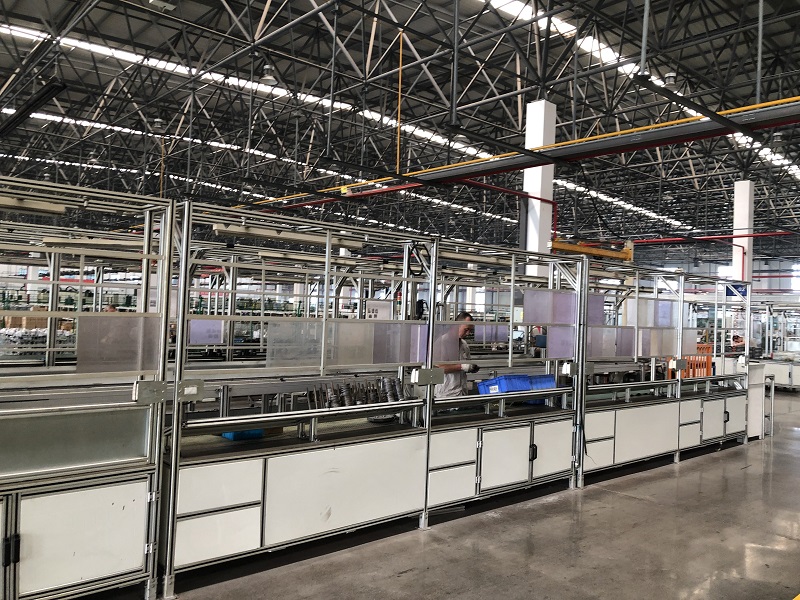
The production process typically involves precision engineering, where raw materials like metals and alloys are processed into pump components such as gears, pistons, cylinders, and seals. These parts are then assembled into fully functional hydraulic pumps, which are tested for performance and quality control to ensure reliability, efficiency, and durability under various working conditions.
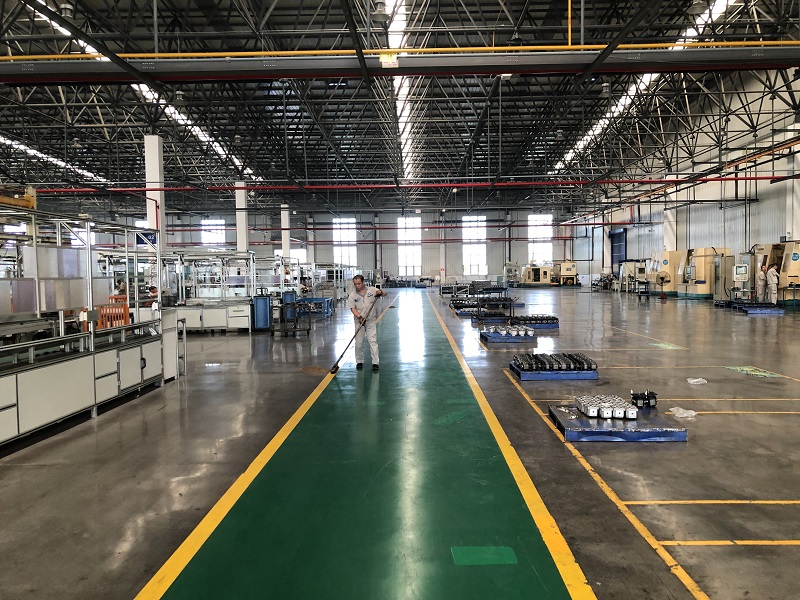
Cissoko Hydraulic's manufacturing facilities for hydraulic pumps maintain stringent quality standards, often adhering to international certifications, to meet the expectations of customers in industries such as construction, agriculture, automotive, and manufacturing.
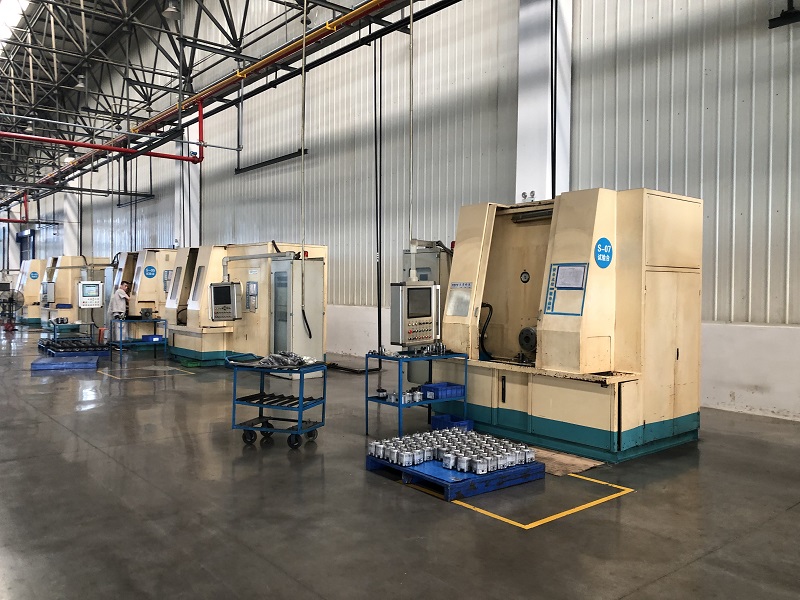
All hydraulic pumps produced by Cissoko Hydraulic have undergone compliance testing, ensuring their quality and reliability.
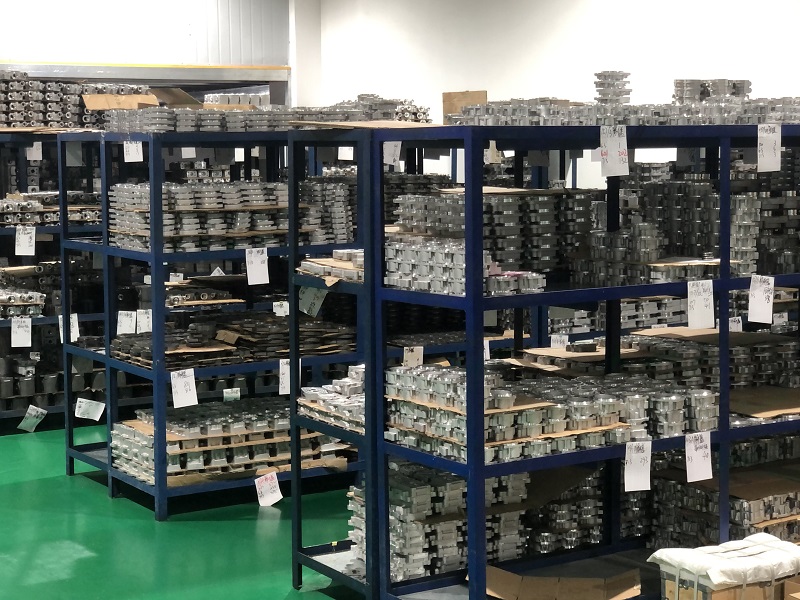
To meet the diverse needs of different industries, the Cissoko hydraulic offer customization options, such as specialized seals, materials, and pump configurations. These facilities often work closely with engineering teams to develop tailored solutions for specific applications, from high-pressure systems to low-flow, high-efficiency pumps.
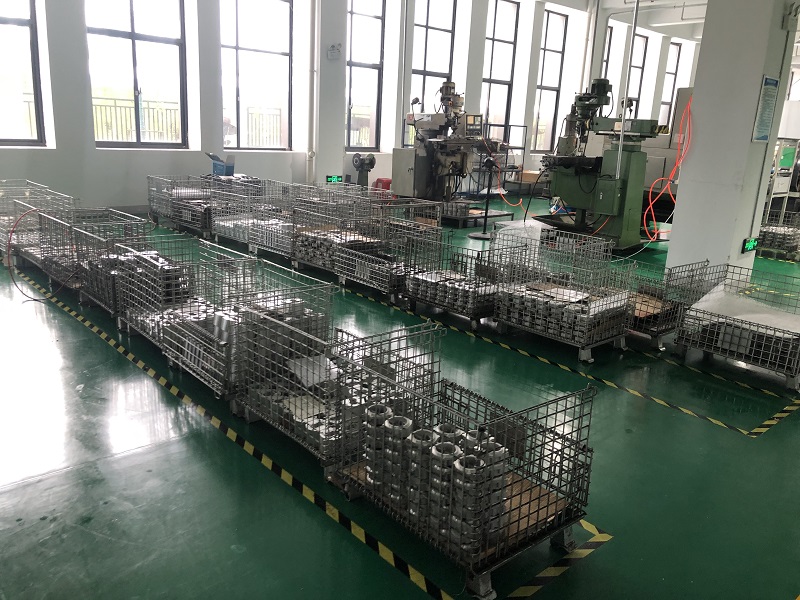
Each pump undergoes a rigorous quality control process, where pressure tests and performance assessments are conducted to ensure that the pumps meet the required standards for flow rate, pressure capacity, and durability.