|


P81
cissoko
| Quantity: | |
|---|---|
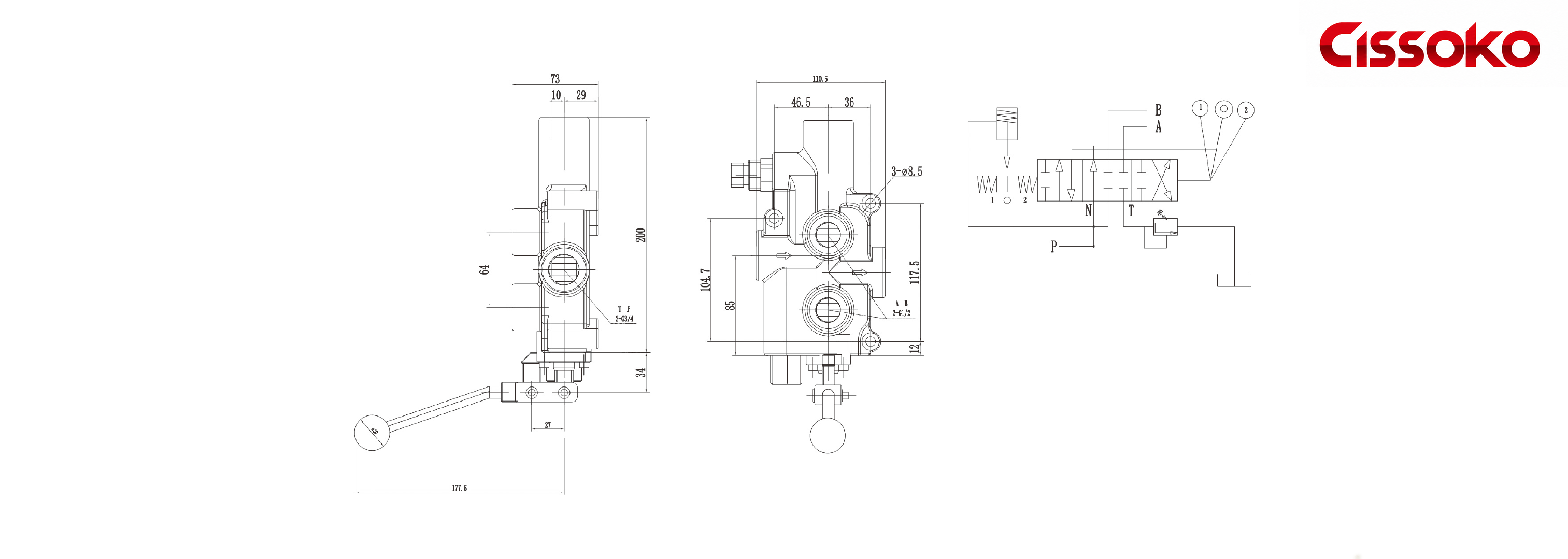
The P81 Monoblock Directional Control Valve is a heavy-duty, single-spool hydraulic control valve designed specifically for log splitters and high-torque wood processing machinery. It is a highly specialized, optimized variant within the 80 L/min flow family.
Automatic Pressure-Actuated Kick-Off (Detent Return): This is the defining feature of the P81.
Extending Stroke: The user manually holds the handle to extend the wedge and split the wood (Spring-to-Center logic).
Retracting Stroke: When shifting the handle into reverse, the spool clicks and mechanically locks (Detents) into position. The cylinder retracts automatically without the operator holding the lever. Once fully retracted, the built-in pressure rise automatically kicks the handle back to neutral, stopping the system.
Adjustable Release Pressure: The pressure threshold required to trigger the automatic kick-off at the end of the stroke can be manually adjusted (typically factory-set between 70 to 140 bar).
Built-In Adjustable Relief Valve: Features an integrated main safety relief valve (capable of handling up to 250 bar) to protect the entire system, hoses, and hydraulic pump from bursting.
| Parameter | Official Value | Unit | Remarks |
|---|---|---|---|
| Construction | 1-Spool Monoblock | — | Specially designed for single-cylinder systems with frequent reciprocating operation |
| Spool Operation | Forward: Spring Return / Reverse: Pressure-Operated Automatic Kick-Out | — | Direction A (lifting): the spool returns when the handle is released; Direction B (return): detent position with automatic kick-out |
| Nominal Flow Rate | 80 | L/min | Provides sufficient flow for rapid cylinder extension, approximately 21.1 GPM |
| Maximum Pressure – P Port | 250 (3,625) | bar (psi) | Maximum permissible continuous working pressure |
| Maximum Pressure – A/B Ports | 300 (4,350) | bar (psi) | Maximum instantaneous pressure permitted at the actuator ports |
| Maximum Back Pressure – T Port | 50 (725) | bar (psi) | This limit must not be exceeded; excessive back pressure may damage the shaft seal and oil seals |
| Main Relief Valve Adjustment Range | 50–250 | bar | Built-in safety relief valve; the factory setting is normally 175–180 bar |
| Automatic Kick-Off Pressure Range | 70–140 | bar | Pressure required to trigger automatic handle return at the end of the return stroke; factory setting is approximately 70 bar |
| Spool Stroke | ±7 (or 7/9 for customized versions) | mm | Mechanical displacement of the internal spool when the control handle is operated |
Applications
Hydraulic Log Splitters: The industry-standard choice for commercial and DIY firewood splitters.
Wood Processing Machines: Used in small forestry machinery requiring repetitive forward-and-back cylinder strokes.

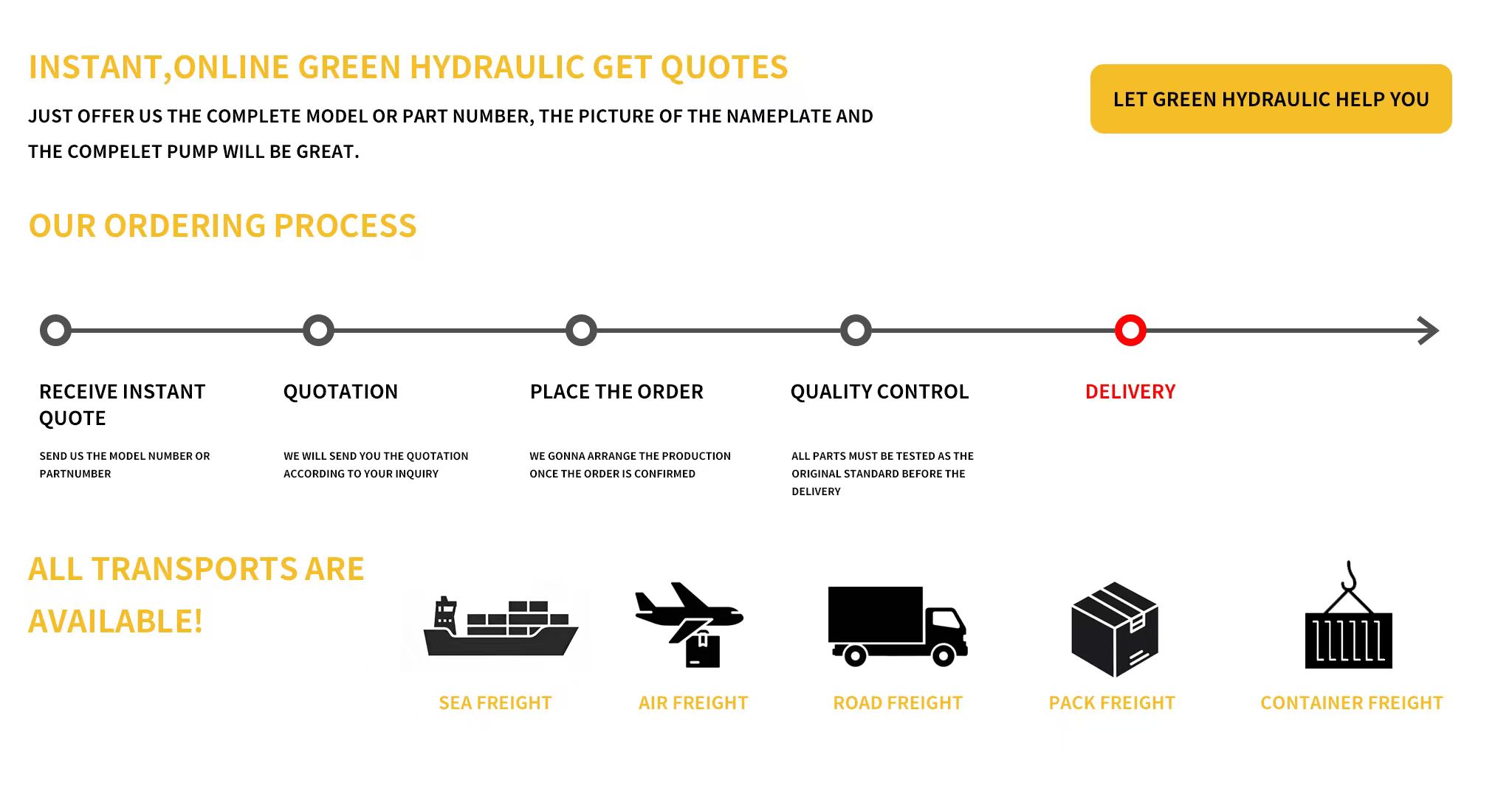
P81 valves are typically packaged securely to prevent damage during transit. The packaging includes:
Protective Wrapping: To safeguard the pump from environmental damage.
Custom Crates: For larger, heavier pumps, ensuring safe handling.
Documentation: Includes installation, maintenance instructions, and warranty details.
Delivery time depends on the model, customizations, and location but typically ranges from 2 to 6 weeks from the order date.
The Workflow: When you push the handle to split wood (Port A), it uses spring-to-center logic (you let go, it stops). When you pull the handle to retract the wedge (Port B), the handle clicks and locks into a detent position, allowing you to walk away.
The Return Action: When the cylinder rod fully retracts and bottoms out, the hydraulic pressure instantly jumps. Once it hits the detent release threshold, the handle automatically snaps back to neutral, stopping the pump's load. This allows the operator to safely grab the next log while the machine resets itself.
Detent Pressure Too High: The automatic return is triggered by a pressure spike at the end of the stroke. If your kick-off pressure setting is adjusted higher than your pump's relief valve or engine capability, the handle will stay locked and continuously bypass hot oil.
The Adjustment: Locate the plastic or steel hex cap on the very back/rear end of the valve (opposite the handle side). Unscrew the cap to reveal the internal detent adjustment screw. Turn the screw counter-clockwise in small increments (1/4 turn at a time) to lower the release pressure until the handle snaps back reliably.
Detent Pressure Too Low: If the kick-off pressure is set too low, the normal resistance of the cold, thick hydraulic oil flowing through the hoses or the weight of a heavy wedge can trigger an early release.
The Fix: Remove the rear detent adjustment cap and turn the internal screw clockwise to tighten the detent spring tension. This raises the pressure threshold required to kick the handle back to center, allowing the cylinder to complete its full return path.
Strictly Open-Center: No, the P81 is built natively as an open-center valve to accommodate standard fixed-displacement gear pumps found on standalone gas-powered log splitters.
No Conversion Channel: Unlike the P80 series, the P81 housing does not include a secondary machined machining pathway or a plug socket to block the open center gallery or accept a Power Beyond sleeve. It must always be routed directly back to the fluid tank via its G 3/4" port.
Mechanical Detent Sticking: If the internal detent balls or springs become rusted, jammed with wood debris, or scored due to contaminated oil, the mechanical release will fail to move.
System Overload: When the cylinder reaches its physical limit and the handle fails to kick out, the system spikes to maximum relief pressure (250 bar). This forces the engine to fight extreme torque loads, stalling it out and generating massive heat inside the valve casing. Clean out the rear cap mechanism and change dirty hydraulic oil immediately.
Yes, we support OEM and customization, including nameplate, packaging, and specific performance requirements. Send us your drawings or specifications for evaluation.
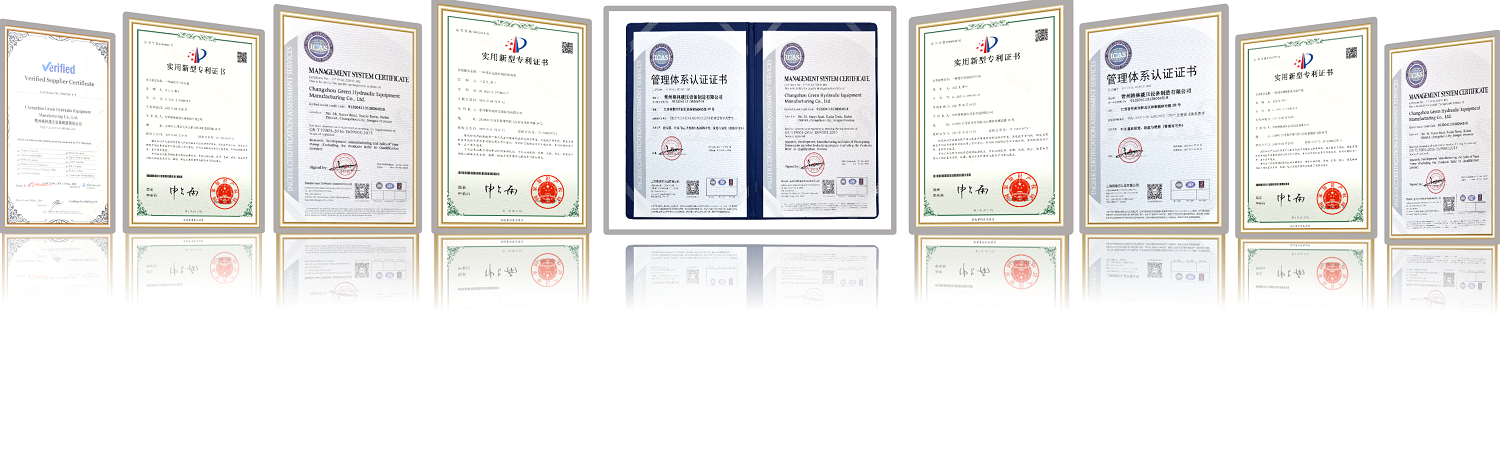
P81 Valve are manufactured in compliance with international standards, ensuring high performance and reliability:
ISO 9001: Certified for quality management systems.
CE Certification: Ensures compliance with European safety, health, and environmental protection standards.
RoHS Compliance: Ensures the pump does not contain hazardous materials.
Factory Testing: Every valve is rigorously tested for performance, pressure, and leak integrity before shipping.
1.What's our advantages?
Factory established in 2005;
With a great deal of production experience;
80+ employees become the professional team;
Constant updated ERP system ensure efficiency of work;
Sophisticated equipment ehanced the accuracy of products;
Professional salesmen provide the greast service;
With a large number of famous customers all over the world;
Great after-sales service;
With the long term cooperation with famous logistics and express company in China,provide the better goods service.
Small order/sample order,full payment in advance; Big orders send the first payment 30% before the production,and the balance before shippment.We'll show the photos of the products and packages before delivery.
Of course we can. Just send me your logo we can make it for you.
America(40.5%):USA, Canada, Argentina, Brazil
Europe(30.8%):Italy,Germany,England,Holland,Spain,Swiss,Finland,Russia,Poland.
Asia(23.5%):Korea,singapore,India,Turkey,Vietnam,Saudi Arabia,Syria, Israel,Lebanon.
Others(5.8%).
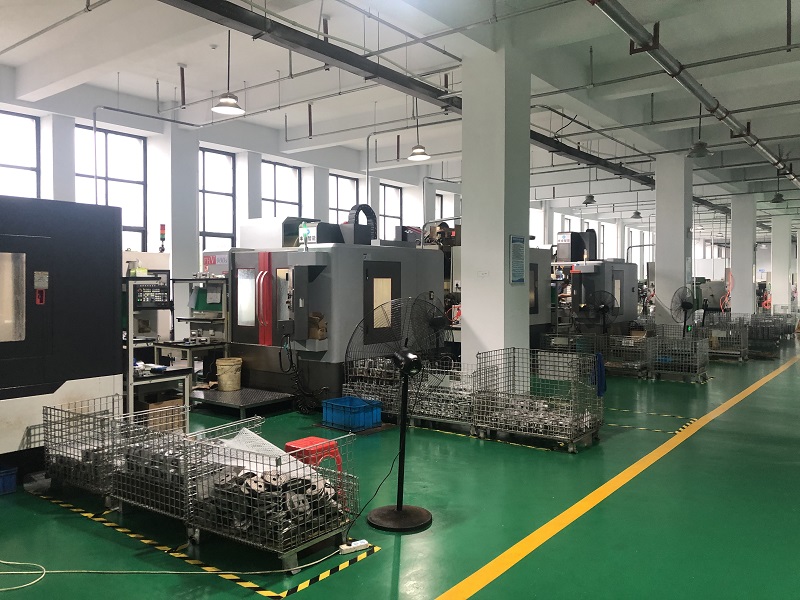
The Cissoko hydraulic pump manufacturing facility is a specialized industrial plant that focuses on producing hydraulic pumps and related components. These factories are equipped with advanced machinery and technology to fabricate high-quality pumps designed for a wide range of applications, from heavy equipment and machinery to automotive and industrial systems.
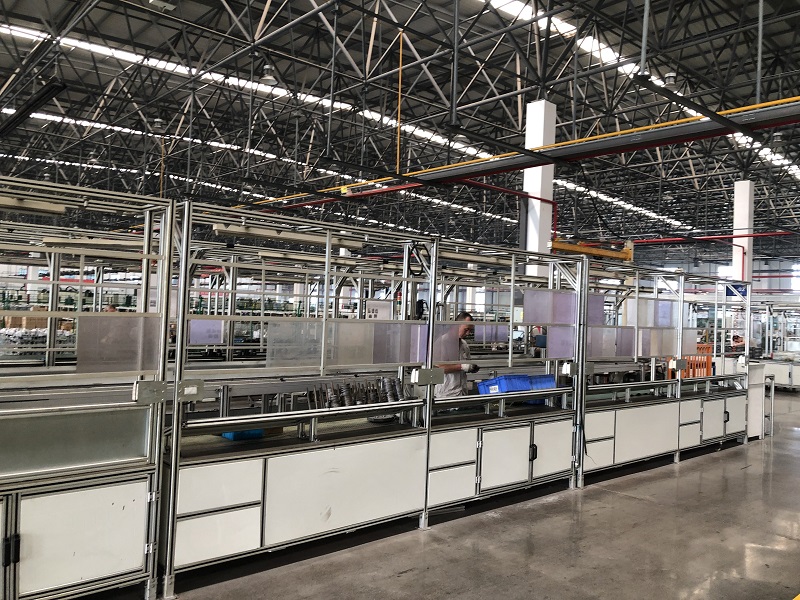
The production process typically involves precision engineering, where raw materials like metals and alloys are processed into pump components such as gears, pistons, cylinders, and seals. These parts are then assembled into fully functional hydraulic pumps, which are tested for performance and quality control to ensure reliability, efficiency, and durability under various working conditions.
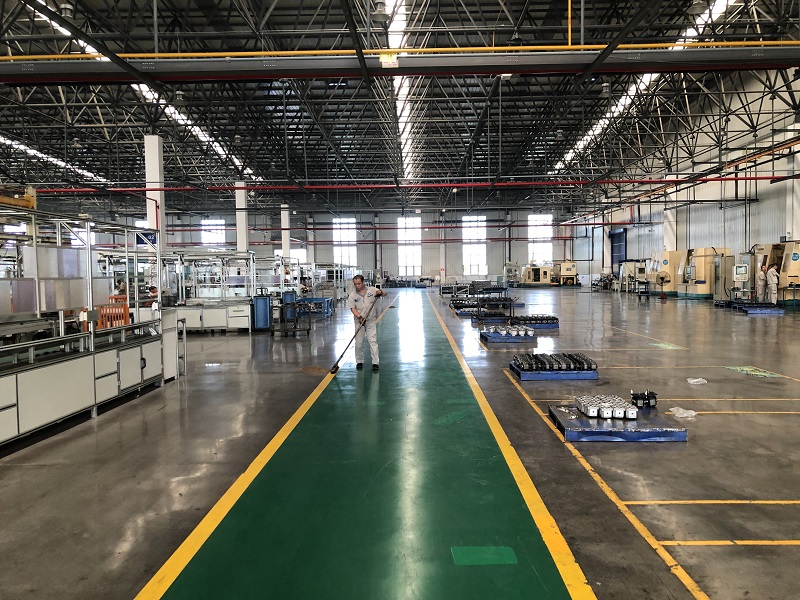
Cissoko Hydraulic's manufacturing facilities for hydraulic pumps maintain stringent quality standards, often adhering to international certifications, to meet the expectations of customers in industries such as construction, agriculture, automotive, and manufacturing.
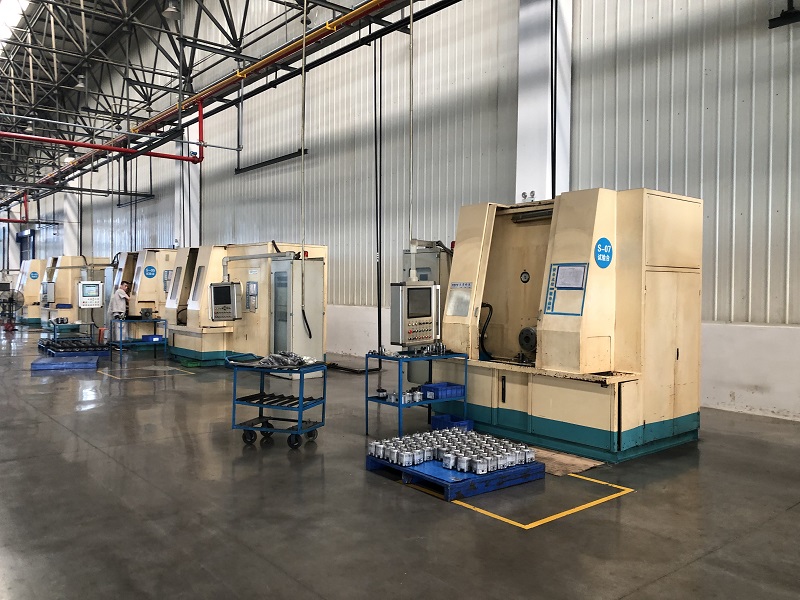
All hydraulic pumps produced by Cissoko Hydraulic have undergone compliance testing, ensuring their quality and reliability.
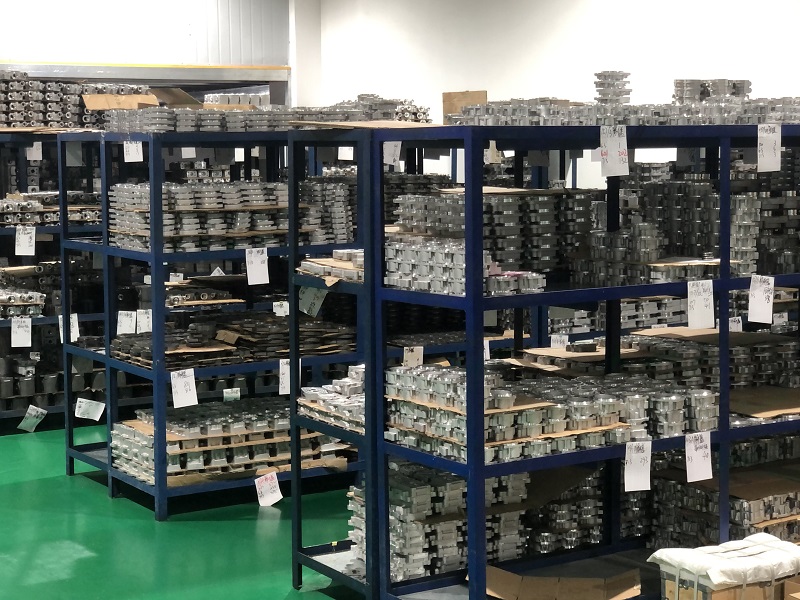
To meet the diverse needs of different industries, the Cissoko hydraulic offer customization options, such as specialized seals, materials, and pump configurations. These facilities often work closely with engineering teams to develop tailored solutions for specific applications, from high-pressure systems to low-flow, high-efficiency pumps.
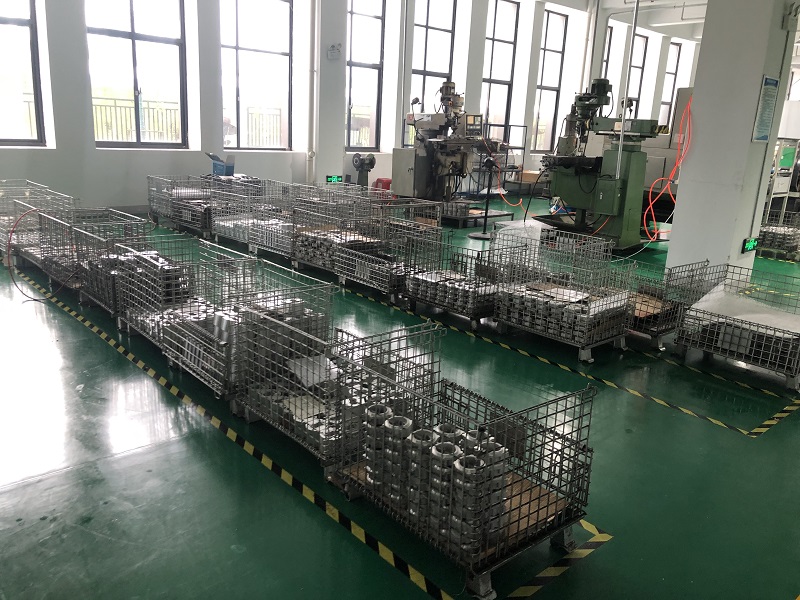
Each pump undergoes a rigorous quality control process, where pressure tests and performance assessments are conducted to ensure that the pumps meet the required standards for flow rate, pressure capacity, and durability.