|


100-Gallon-Behind-Cab-Hydraulic-Oil-Reservoir
cissoko
| Quantity: | |
|---|---|
100-Gallon Behind-Cab Hydraulic Oil Reservoir is A large-capacity (100 gallons/approximately 378 liters) vertical/rear-mounted heavy-duty truck hydraulic oil tank As the oil storage core of heavy-duty truck wet kits, it is specifically and independently installed directly behind the cab of heavy-duty semi-trailer tractors, heavy-duty dump trucks, or roll-off trucks to drive a mobile hydraulic system with extremely high flow rates.
Leak prevention and safety testing : Heavy-duty original equipment manufacturer (OEM) fuel tanks (such as those produced by well-known chassis parts manufacturers) must undergo 100% airtightness pressure testing before leaving the factory to prevent leakage.
Internal defoaming and anti-surge structure : The inside of the tank is welded with complete anti-surge baffles and oil return diffusers . Their function is to prevent the oil from shaking violently when the vehicle is running, and to effectively suppress the generation of bubbles, suppress eddies, and promote oil-gas separation during oil return.
Factory outlet and accessories : The bottom is usually equipped with two standard 2" NPT large-diameter suction/return ports (to ensure that no air suction negative pressure is generated during high flow), and comes with a magnetic drain plug, a high-transmittance level gauge, and an air-breathing filling cap with a debris filter
| Technical Indicator | Aerospace-grade Aluminum Alloy (Aluminum Upright) | Heavy-duty Carbon Steel Spray-painted Type (Steel Upright) |
|---|---|---|
| Rated Operating Capacity | 100 gallons / 378.5 liters | 100 gallons / 378.5 liters |
| Standard External Dimensions (L × W × H) | 48.00" × 16.50" × 30.00" (approx. 1220 × 420 × 762 mm) | 48.00" × 16.50" × 30.00" (approx. 1220 × 420 × 762 mm) |
| Fuel Tank Net Weight | Approximately 116 lbs / 52.6 kg (lightweight design, optimized front axle load) | Approximately 223 lbs / 101.1 kg (heavy-duty structure) |
| Compatible Installation Kit Weight | Approximately 24 lbs / 11.0 kg (including heavy-duty base and fastening straps) | Approximately 24 lbs / 11.0 kg (including heavy-duty base and fastening straps) |
| Installation Location and Layout | The chassis frame is vertically fixed directly behind the tractor cab (Behind-Cab). | The chassis frame is vertically fixed directly behind the tractor cab (Behind-Cab). |
| Surface Treatment Process | Highly polished/brushed natural color, with natural antioxidant and anti-corrosion properties. | Sandblasting base coat + industrial-grade high-gloss black anti-rust paint coating |
Applications
Heavy-duty dump trailers : especially multi-section lifting cylinder or large-tonnage dump trailers, require the discharge of an extremely large volume of hydraulic oil for a single lift.
Roll-off trailers and lugger trucks : used for hauling and unloading large garbage containers weighing tens of tons, involving heavy hydraulic operations.
Live Floor Trucks : When unloading bulk sawdust or waste, the hydraulic pump needs to run continuously for 20-40 minutes, and the oil tank can provide sufficient circulating oil and heat dissipation.

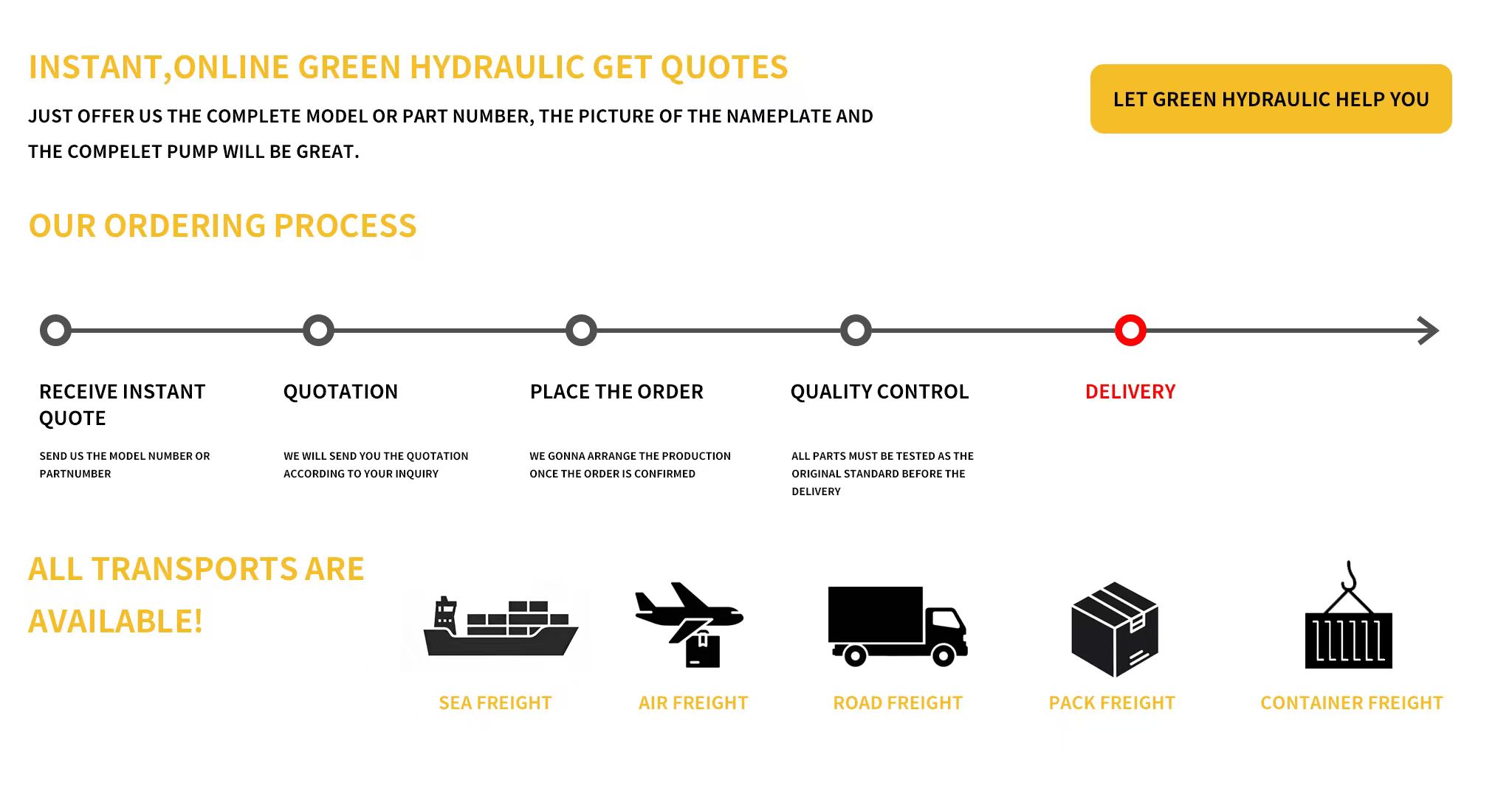
Tanks are typically packaged securely to prevent damage during transit. The packaging includes:
Protective Wrapping: To safeguard the pump from environmental damage.
Custom Crates: For larger, heavier pumps, ensuring safe handling.
Documentation: Includes installation, maintenance instructions, and warranty details.
Delivery time depends on the model, customizations, and location but typically ranges from 2 to 6 weeks from the order date.
Answer : Primarily due to considerations of axle load distribution and space optimization . First, a 100-gallon hydraulic oil tank, plus its body, weighs nearly 900 pounds. Vertical mounting directly behind the cab distributes the dead weight more evenly across the vehicle frame, preventing the side-mounted tank from causing lateral weight imbalance. Second, a large-capacity side-mounted oil tank occupies a significant amount of space in the main frame. Moving it behind the cab frees up space on both sides of the chassis for installing large toolboxes, battery packs, or exhaust aftertreatment systems (DPF/SCR).
Answer : The initial purchase cost of aluminum alloy fuel tanks is typically 30%–50% higher than that of steel fuel tanks, but they offer long-term economic benefits: they can reduce the vehicle's weight by approximately 100 pounds (about 48.5 kg), improving fuel economy or increasing cargo load capacity; and aluminum naturally dissipates heat quickly, extending the lifespan of hydraulic fluid and system components. While carbon steel fuel tanks are heavier and do not offer weight reduction advantages, they have lower initial purchase costs and are more resistant to rough handling under harsh operating conditions.
Answer : The 2-inch large diameter is to prevent the high-flow oil pump from generating severe suction negative pressure during operation. In actual installation, there are usually two connection methods: one is to connect one of the oil inlets to the main hydraulic pump through a high-pressure hose, and seal the other oil inlet with the original factory plug, as a spare port for future upgrades to a dual-pump system; the other is to use a T-junction to merge the two oil inlets into a super-high-flow pump, to ensure that the oil pump has an absolutely sufficient oil intake in extremely cold or high-viscosity oil environments.
Answer : When a heavy-duty truck is driving, braking, turning, or climbing, 100 gallons (nearly 380 liters) of hydraulic fluid will experience significant inertial sloshing. The internal wave deflector not only effectively suppresses this fluid sloshing and prevents vehicle instability, but more importantly, it prevents impurities settled at the bottom of the tank from being re-stirred up, slows the return flow, and eliminates oil bubbles, thus achieving efficient oil-gas separation.
Answer : Routine inspections should include the following three core steps:
Window inspection : With the vehicle parked horizontally and the hydraulic cylinder fully retracted, check the oil level using the front level gauge to see if it is within the standard red line range, and observe whether the oil is white and emulsified (water ingress) or black (overheating).
Breather valve cleaning : The high-flow breather valve at the top must be cleaned or replaced regularly (it is recommended to do so every six months). If the breather valve is blocked, a pressure difference will form inside the oil tank, causing the tank to deform or the oil pump to suck in air.
Magnetic drain : Utilizing the properties of the 2-inch magnetic drain plug at the bottom, it can be removed during regular oil changes to clean the tiny iron filings and impurities it has attracted, thereby monitoring the wear and tear of internal system components.
6. Do you provide OEM or customized services
Yes, we support OEM and customization, including nameplate, packaging, and specific performance requirements. Send us your drawings or specifications for evaluation.
Tanks are manufactured in compliance with international standards, ensuring high performance and reliability:
ISO 9001: Certified for quality management systems.
CE Certification: Ensures compliance with European safety, health, and environmental protection standards.
RoHS Compliance: Ensures the tank does not contain hazardous materials.
Factory Testing: Every tanks is rigorously tested for performance, pressure, and leak integrity before shipping.

1.What's our advantages?
Factory established in 2005;
With a great deal of production experience;
80+ employees become the professional team;
Constant updated ERP system ensure efficiency of work;
Sophisticated equipment ehanced the accuracy of products;
Professional salesmen provide the greast service;
With a large number of famous customers all over the world;
Great after-sales service;
With the long term cooperation with famous logistics and express company in China,provide the better goods service.
Small order/sample order,full payment in advance; Big orders send the first payment 30% before the production,and the balance before shippment.We'll show the photos of the products and packages before delivery.
Of course we can. Just send me your logo we can make it for you.
America(40.5%):USA, Canada, Argentina, Brazil
Europe(30.8%):Italy,Germany,England,Holland,Spain,Swiss,Finland,Russia,Poland.
Asia(23.5%):Korea,singapore,India,Turkey,Vietnam,Saudi Arabia,Syria, Israel,Lebanon.
Others(5.8%).
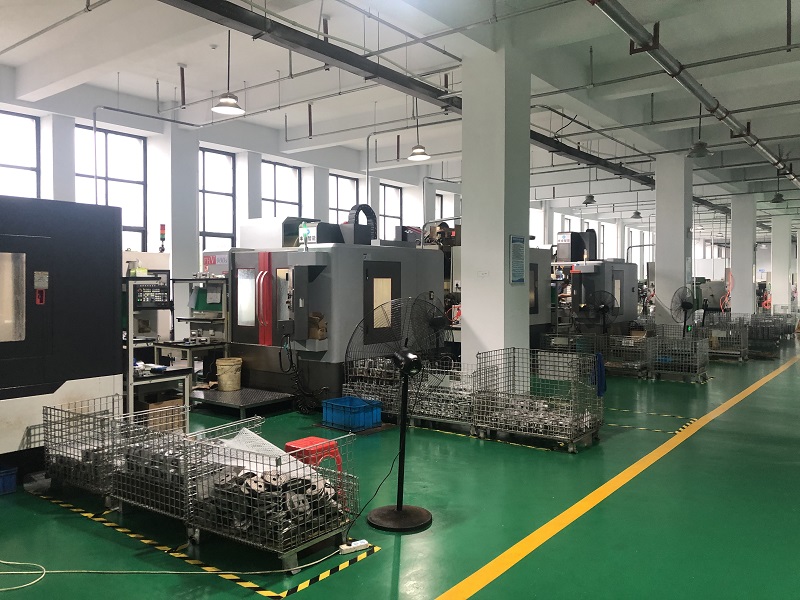
The Cissoko hydraulic pump manufacturing facility is a specialized industrial plant that focuses on producing hydraulic pumps and related components. These factories are equipped with advanced machinery and technology to fabricate high-quality pumps designed for a wide range of applications, from heavy equipment and machinery to automotive and industrial systems.
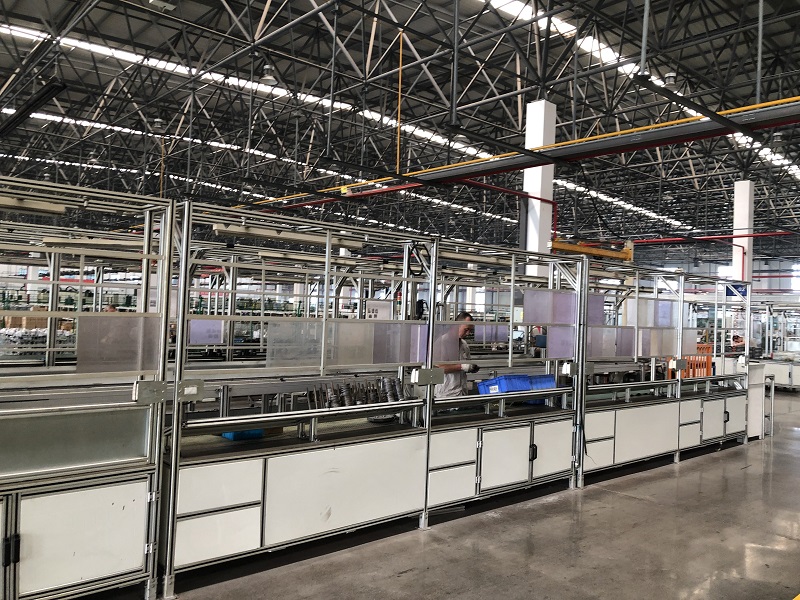
The production process typically involves precision engineering, where raw materials like metals and alloys are processed into pump components such as gears, pistons, cylinders, and seals. These parts are then assembled into fully functional hydraulic pumps, which are tested for performance and quality control to ensure reliability, efficiency, and durability under various working conditions.
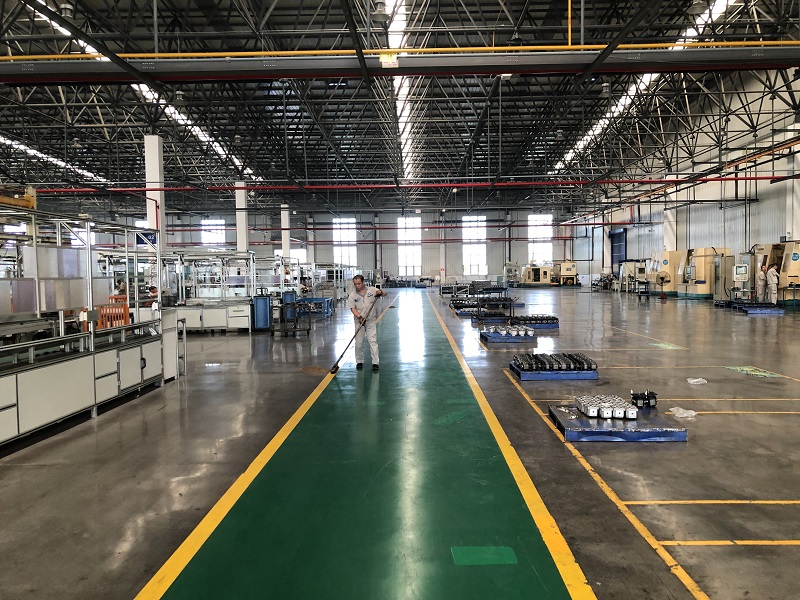
Cissoko Hydraulic's manufacturing facilities for hydraulic pumps maintain stringent quality standards, often adhering to international certifications, to meet the expectations of customers in industries such as construction, agriculture, automotive, and manufacturing.
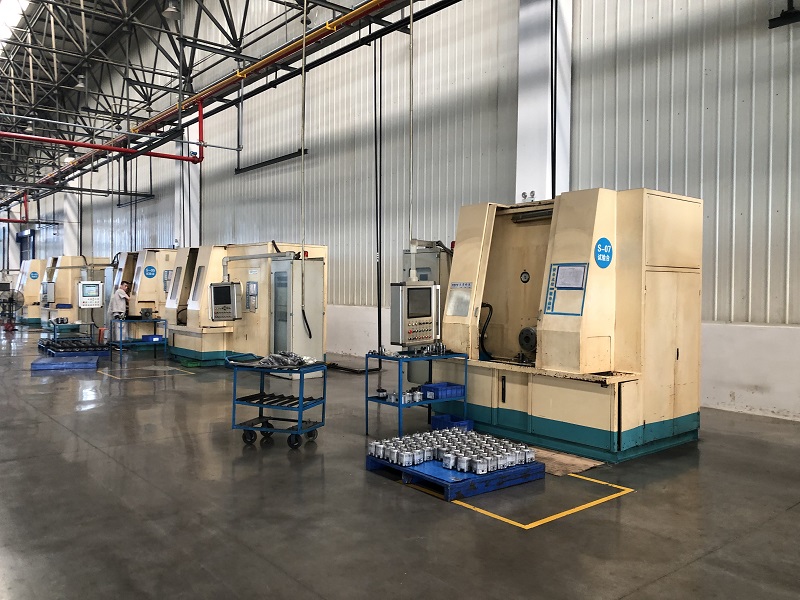
All hydraulic pumps produced by Cissoko Hydraulic have undergone compliance testing, ensuring their quality and reliability.
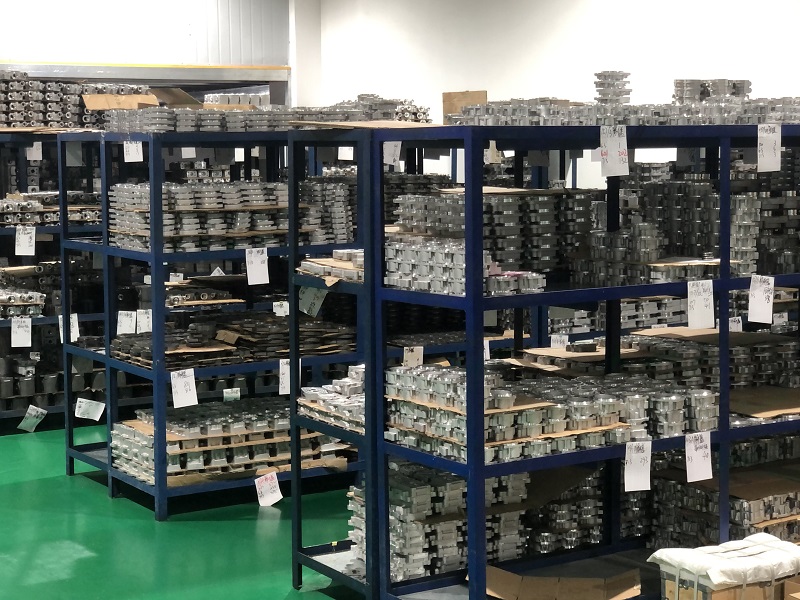
To meet the diverse needs of different industries, the Cissoko hydraulic offer customization options, such as specialized seals, materials, and pump configurations. These facilities often work closely with engineering teams to develop tailored solutions for specific applications, from high-pressure systems to low-flow, high-efficiency pumps.
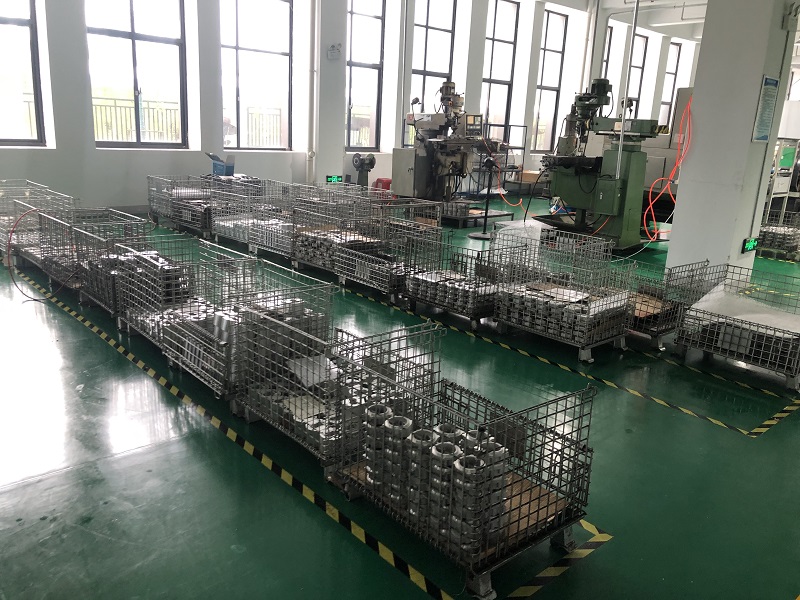
Each pump undergoes a rigorous quality control process, where pressure tests and performance assessments are conducted to ensure that the pumps meet the required standards for flow rate, pressure capacity, and durability.